

High-standard aluminum profiles are essential components in modern cleanroom sandwich panel construction, providing strong structural support, seamless panel connections, and superior hygiene performance. This article explores the key features, benefits, and applications of premium aluminum profile systems in pharmaceutical, biotechnology, semiconductor, electronics, and food processing cleanrooms. Learn how precision-engineered aluminum profiles enhance cleanliness, airtightness, durability, and installation efficiency while helping facilities meet stringent ISO cleanroom standards and long-term operational requirements.
We have a passion for unconventional solutions that bring your vision to life.
Cleanrooms are critical environments used in industries such as pharmaceuticals, biotechnology, semiconductor manufacturing, medical devices, food processing, and precision electronics. To maintain strict cleanliness standards, every component of a cleanroom must be carefully designed and manufactured. Among these components, high-standard aluminum profiles play a vital role in supporting and connecting cleanroom sandwich panels, ensuring structural integrity, hygiene, and long-term performance.
As cleanroom requirements continue to evolve toward higher cleanliness classes and stricter regulatory compliance, the demand for premium aluminum profile systems has increased significantly.
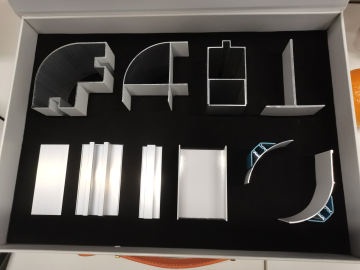
Cleanroom aluminum profiles are specially engineered extruded aluminum components used for the installation and connection of cleanroom wall panels, ceiling panels, doors, windows, and other modular structures. They serve as the framework that holds sandwich panels together while providing smooth, seamless surfaces that minimize particle accumulation.
Unlike conventional construction materials, cleanroom aluminum profiles are designed to meet stringent requirements for cleanliness, corrosion resistance, durability, and aesthetics.

High-quality aluminum profiles are typically manufactured from premium aluminum alloys and treated with anodizing, powder coating, or electrophoretic finishing processes. These surface treatments provide excellent resistance to moisture, chemicals, and cleaning agents commonly used in cleanroom environments.
Cleanroom applications require surfaces that are easy to clean and resistant to particle accumulation. Precision-machined aluminum profiles feature smooth edges and seamless joints, reducing contamination risks and facilitating routine sanitation procedures.
Despite being lightweight, aluminum profiles offer exceptional strength and rigidity. This allows cleanroom systems to maintain structural stability while reducing overall building load and simplifying installation.
Modern cleanrooms often utilize modular sandwich panel systems. High-standard aluminum profiles are designed to integrate seamlessly with various panel thicknesses and connection methods, enabling fast installation, easy maintenance, and future expansion.
Precision extrusion and CNC processing ensure accurate dimensions and tight tolerances. This precision helps create airtight connections between panels, improving cleanroom performance and energy efficiency.
High-standard aluminum profiles are widely used in:
Cleanroom wall panel connections
Ceiling support systems
Internal and external corner assemblies
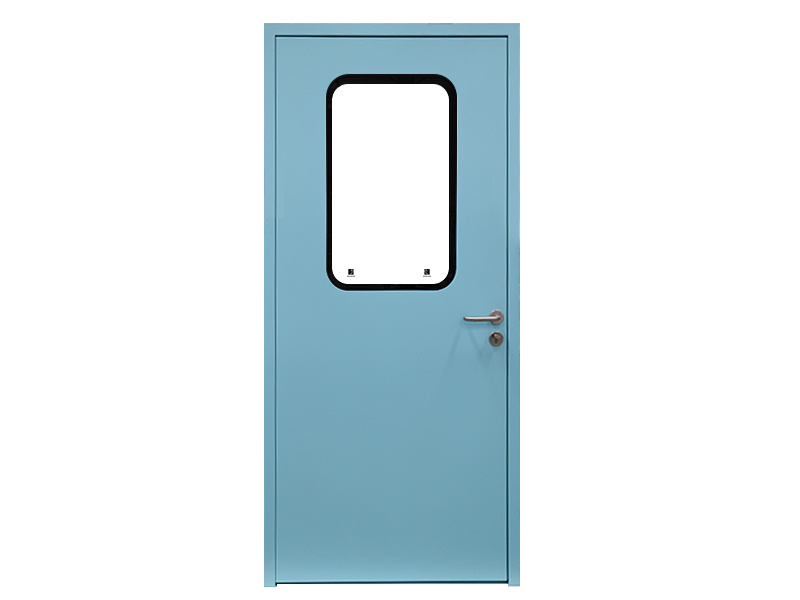
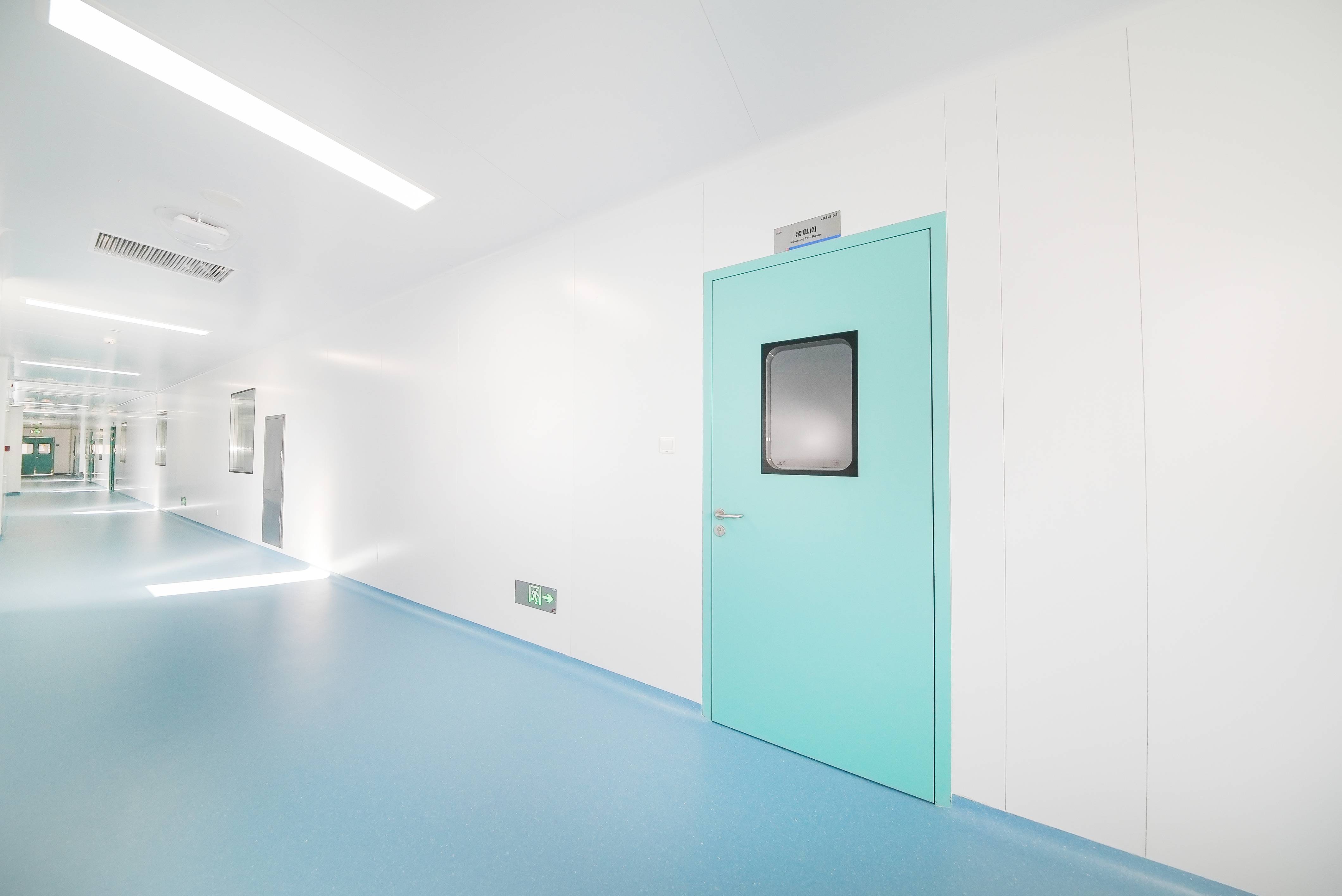
Door and window frames
Partition wall structures
Equipment integration interfaces
Modular cleanroom expansion projects
Their versatility makes them suitable for cleanrooms ranging from ISO Class 8 environments to highly controlled ISO Class 5 and ISO Class 3 facilities.
Properly designed aluminum profiles help create airtight and dust-free connections, contributing to better contamination control and compliance with cleanroom standards.
Modular aluminum systems simplify construction processes, reducing installation time and labor costs while ensuring consistent quality.
Corrosion-resistant aluminum maintains its appearance and functionality for many years, even under demanding operating conditions.
The smooth surface and durable finish minimize cleaning efforts and reduce the need for repairs or replacements.
Aluminum is highly recyclable and environmentally friendly, making it an ideal material for sustainable cleanroom construction projects.
When choosing aluminum profiles for cleanroom sandwich panel construction, several factors should be considered:
Aluminum alloy grade
Surface treatment quality
Structural load requirements
Compatibility with panel systems
Airtightness performance
Fire safety requirements
Compliance with cleanroom standards
Manufacturer experience and quality control
Working with an experienced cleanroom solution provider can help ensure that the aluminum profile system meets both project specifications and regulatory requirements.
High-standard aluminum profiles are an essential component of modern cleanroom sandwich panel construction. Their superior strength, corrosion resistance, precision manufacturing, and hygienic design contribute significantly to cleanroom performance, operational efficiency, and long-term reliability.
As industries continue to demand cleaner and more controlled environments, investing in premium aluminum profile systems remains a critical step toward building high-performance cleanrooms that meet the highest international standards.
We will contact you as soon as possible!
High-Standard Aluminum Profiles for Cleanroom Sandwich Panel Construction

Wiskind Cleanroom specializes in cleanroom enclosure system , ceiling system, cleanroom doors and windows and related product development, manufacturing, sales, consulting and services.

 Chinese
 English
 Russian
 French
 Spanish
 Portuguese
 Arabic
 Korean
 German
 Japanese
 Thai
Thai Hindi
Hindi