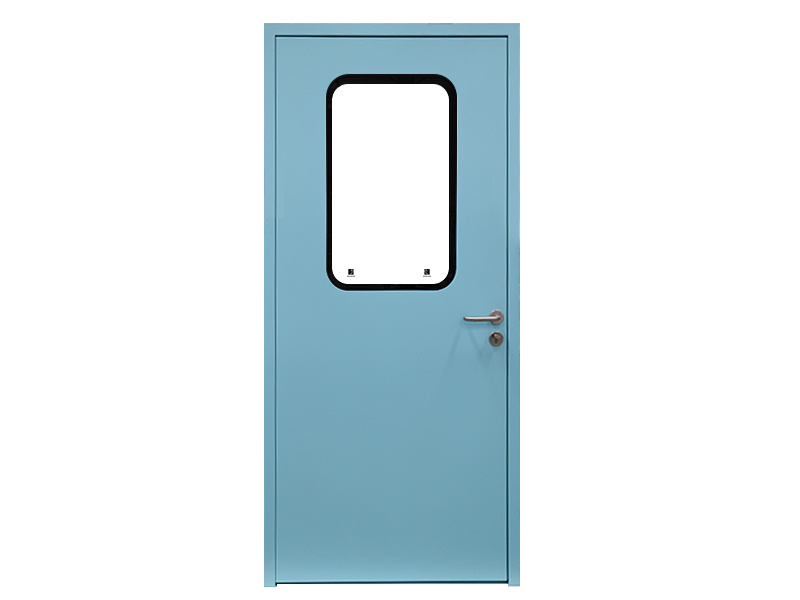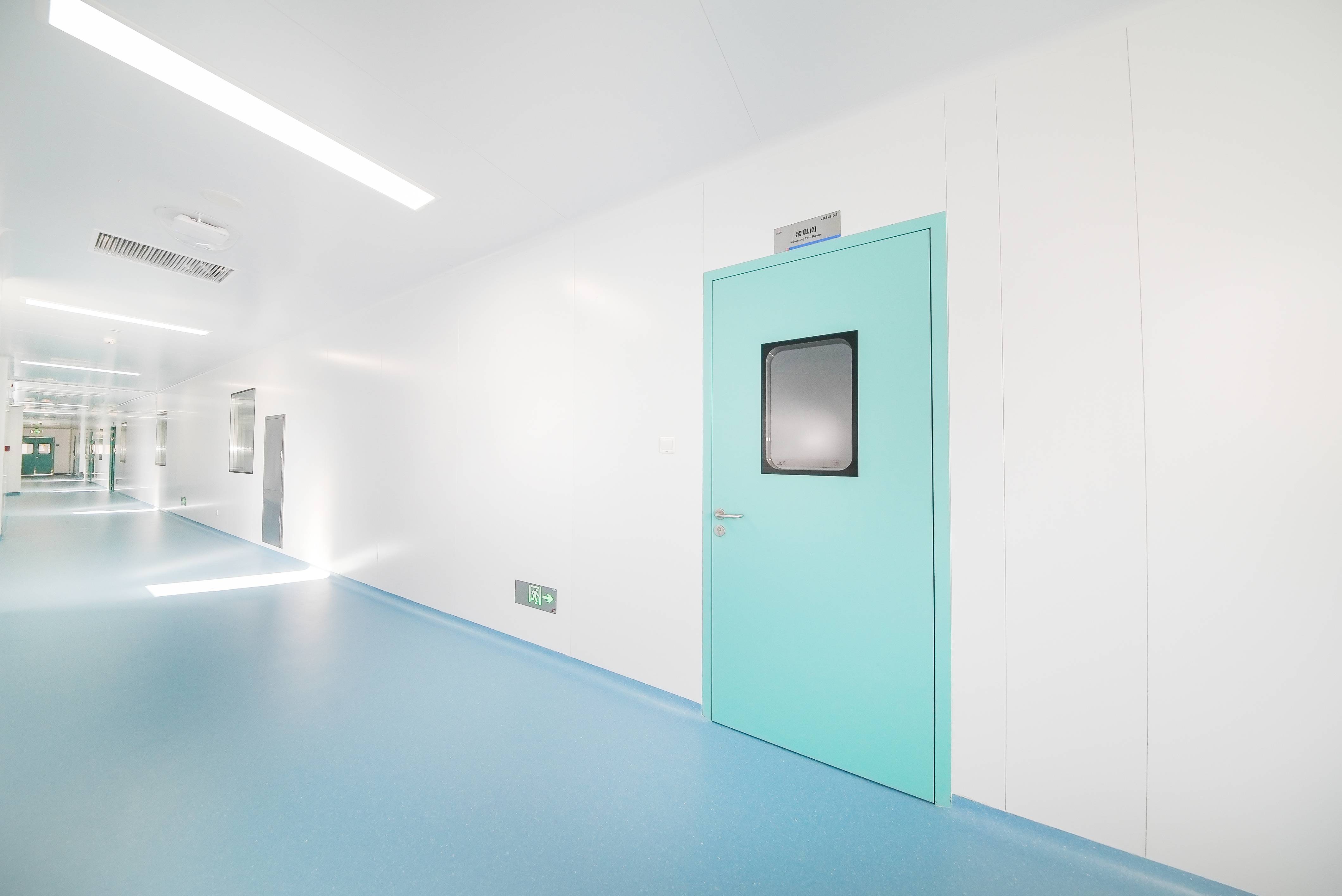


We have a passion for unconventional solutions that bring your vision to life.
Choosing the right cleanroom wall panel is one of the most consequential decisions in controlled-environment construction. The panel system forms your facility's primary contamination barrier — it must deliver fire protection, structural integrity, chemical resistance, and long-term cleanability, all while meeting the specific regulatory standards of your industry.
The global cleanroom wall panels market reached $1.86 billion in 2024 and is projected to grow at 7.8%+ CAGR through 2032, driven by pharmaceutical R&D spending ($253 billion globally in 2024) and semiconductor fab construction ($200+ billion projected through 2027). With this expansion comes an increasingly complex landscape of material options, each with distinct trade-offs.
This guide consolidates decades of cleanroom engineering experience into one comprehensive resource — whether you're specifying panels for a GMP Grade A aseptic suite, an ISO Class 3 semiconductor fab, or an HACCP-compliant food processing facility.
1. Cleanroom Panel Core Materials Compared
2. How to Choose Cleanroom Panels: 5-Step Selection Framework
3. Panel Selection by Industry
4. Performance Specifications & Fire Ratings
5. Cleanroom Panel Cost Guide
6. Frequently Asked Questions
The core material is the defining component of any cleanroom sandwich panel — it determines fire performance, thermal insulation, sound attenuation, structural rigidity, weight, and cost. Below is a side-by-side comparison of the six primary core materials used in modern cleanroom construction.
Core Material | Fire Rating | Suitable ISO Class | Standard Thickness | Cost Range (USD/m²)* | Weight | Best For |
Rockwool (Mineral Wool) | Class A1 (non-combustible) | ISO 5–8 | 50 / 75 / 100mm | $15 – $30 | Medium-Heavy | Pharmaceutical, chemical labs, high-fire-risk zones |
Aluminum Honeycomb | Class B1 / Class 0 | ISO 1–5 | 50 / 75 / 100mm | $40 – $80 | Light | Semiconductor fabs, biopharma, aerospace cleanrooms |
Polyurethane (PU) / PIR | Class B1 (with retardants) | ISO 5–8 | 50 / 75 / 100mm | $12 – $25 | Light | Temperature-controlled cleanrooms, cold storage, electronics |
Magnesium Oxide (MGO) | Class A1 | ISO 5–8 | 50 / 75 / 100mm | $20 – $40 | Medium | Pharma with high antibacterial requirements, healthcare |
Paper Honeycomb | Class B1 (carbonizes, non-combustible) | ISO 7–8 | 50 / 75mm | $8 – $18 | Very Light | Non-load-bearing walls, electronics assembly, budget-conscious labs |
EPS (Expanded Polystyrene) | Class B2/B3 (combustible) | ISO 8–9 | 50 / 75 / 100mm | $6 – $15 | Very Light | General industrial, non-classified areas, temporary enclosures |
* Ex-factory cost ranges for panels only. Turnkey installed systems vary by project scope, region, and ISO class requirements. Contact Wiskind for a project-specific quotation.
Rockwool is the workhorse of cleanroom construction and the most widely specified fire-rated panel globally. Made from basalt rock melted at 1,600°C and spun into fibers, rockwool cores deliver Class A1 non-combustible performance — they will not melt, ignite, or produce flaming droplets even under direct fire exposure.
Wiskind rockwool panels feature four-side aluminum profile framing with internal reinforcing ribs for superior flatness. Fire resistance ratings range from 45 minutes (50mm) to 4 hours (100mm composite). The material's natural density (100–180 kg/m³) provides excellent sound attenuation — critical in pharmaceutical manufacturing environments where equipment noise must be controlled.
Key advantage: Unmatched fire safety at a mid-range price point.
Limitation: Hygroscopic — requires proper edge sealing and moisture barrier detailing, especially in high-humidity environments.
Typical applications: Pharmaceutical workshops, chemical laboratories, hospital compounding rooms, any facility where fire code mandates non-combustible construction.
Explore Wiskind Rockwool Cleanroom Panels 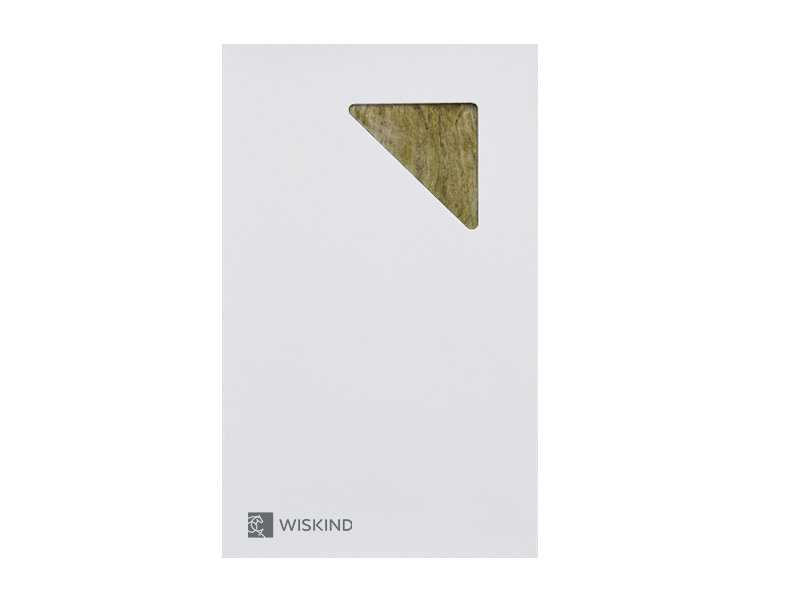
The premium choice for ultra-clean and high-specification environments. Aluminum honeycomb panels use a hexagonal aluminum core bonded between metal face sheets, achieving an exceptional strength-to-weight ratio. They are up to 60% lighter than equivalent rockwool panels while maintaining superior structural rigidity — making them ideal for large-span ceilings and tall partition walls.
The aluminum core is inherently non-combustible, corrosion-resistant, and does not off-gas — critical for semiconductor fabrication where airborne molecular contamination (AMC) must be measured in parts per trillion. Anti-static surface treatments are available for ESD-sensitive electronics manufacturing.
Wiskind's aluminum honeycomb panels feature a non-cold-bridge frame system that prevents condensation in low-temperature or high-humidity cleanrooms — a critical design feature for cold storage interfaces and freeze-drying suites.
Key advantage: Lightest weight, highest flatness, zero outgassing — the only choice for ISO 1–3 semiconductor fabs.
Limitation: Higher cost (2–4× rockwool equivalent).
Typical applications: Semiconductor wafer fabs, aerospace assembly cleanrooms, biopharma aseptic filling suites, anywhere ISO Class 1–5 cleanliness is required.
Explore Wiskind Aluminum Honeycomb Cleanroom Panels
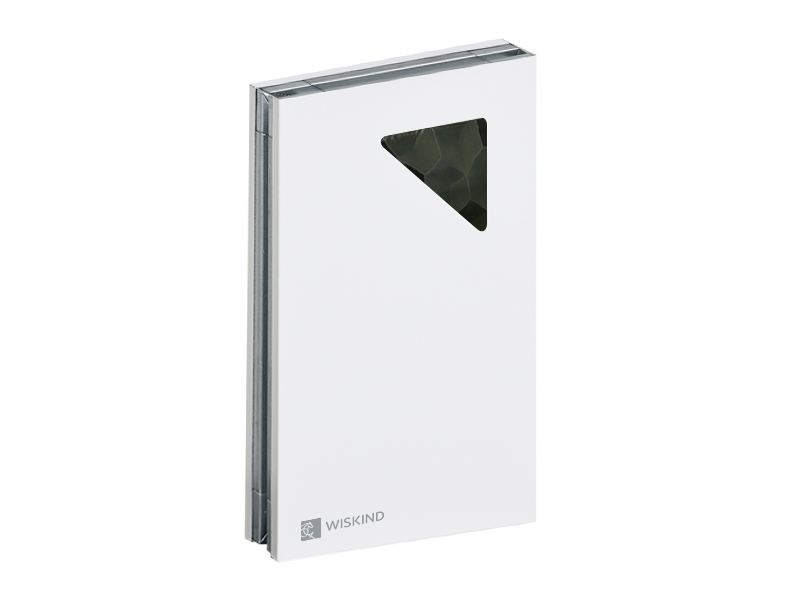
The thermal insulation specialist. PU and its fire-retardant evolution PIR (polyisocyanurate) offer the lowest thermal conductivity of any cleanroom panel core material (λ = 0.018–0.024 W/m·K). This makes them the preferred choice for temperature-controlled cleanrooms, cold storage interfaces, and facilities requiring strict thermal separation between zones.
PIR panels improve on PU with enhanced fire performance (Class B1 achievable) and better dimensional stability at elevated temperatures. Wiskind PIR multi-use panels serve cleanroom, cold storage, roofing, and warehouse applications from a single product platform.
Key advantage: Best-in-class thermal insulation; lightweight construction reduces structural steel requirements.
Limitation: Fire performance, even with retardants, does not match rockwool or MGO. Not suitable where Class A1 non-combustible materials are mandated.
Typical applications: Electronics factories with temperature tolerances, cold storage cleanrooms, agricultural and food processing facilities.
Explore Wiskind PIR Multi-Use Panels
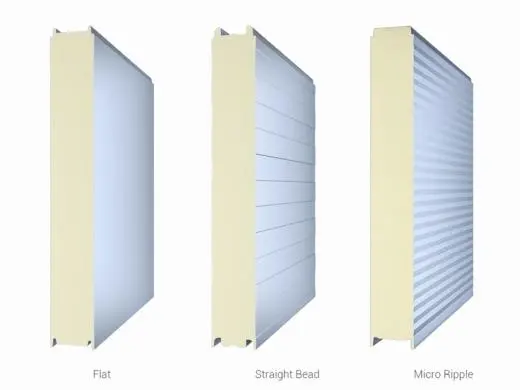
The antibacterial, fire-resistant hybrid. MGO boards combine excellent fire resistance (Class A1) with natural antibacterial and moisture-resistant properties — the magnesium oxide chemistry inherently inhibits mold, mildew, and bacterial growth. This makes MGO panels particularly suited to pharmaceutical and healthcare cleanrooms where both fire safety and microbiological control are paramount.
Wiskind frequently combines MGO with rockwool in a composite sandwich construction to leverage the strengths of both: MGO's antibacterial surface stability plus rockwool's thermal and acoustic insulation. The result is a panel that achieves 2-hour fire ratings at 100mm thickness while providing a hygienic, non-porous surface.
Key advantage: Inherent antibacterial + Class A1 fire rating in one material.
Limitation: Heavier than aluminum honeycomb or PU; requires careful handling during installation to prevent board cracking.
Typical applications: Pharmaceutical cleanrooms, hospital operating theatres, laboratories with high antibacterial requirements, food processing environments.
Explore Wiskind MGO-Rockwool Composite Panels 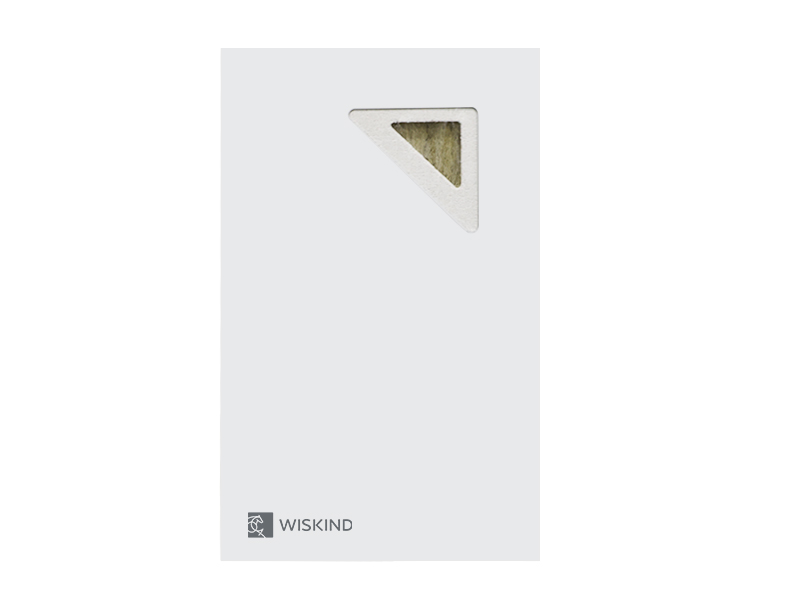
The cost-effective lightweight option. Paper honeycomb cores use flame-retardant-treated paper formed into a hexagonal cellular structure. With a density ≥180 kg/m³ and an oxygen index of 39.2%, they achieve B1 flame retardancy (carbonizes without burning). Paper honeycomb panels provide excellent flatness and are the lightest option available — ideal for non-load-bearing partition walls and removable panel systems.
Key advantage: Lowest cost, easiest handling and installation, fully recyclable core.
Limitation: Weaker moisture and fire resistance compared to mineral-based cores; not suitable for high-humidity environments or load-bearing applications.
Typical applications: Electronics assembly rooms, laboratory partitions, ISO 7–8 clean spaces where fire code permits B1 materials.
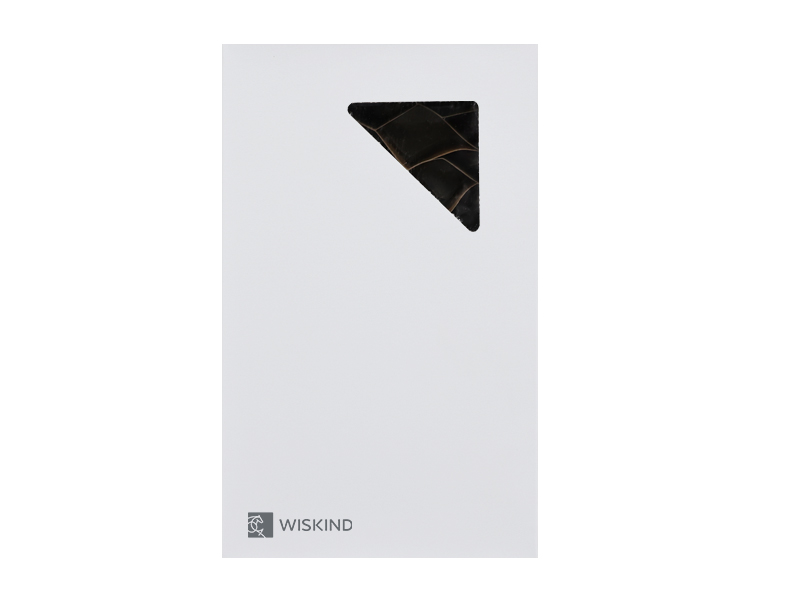
The legacy budget option. EPS panels contain 3–6 million independent closed air cells per cubic meter (98% air by volume), providing good thermal insulation at the lowest price point. However, EPS is combustible and increasingly restricted by modern fire codes for occupied cleanroom applications.
Key advantage: Lowest cost per square meter; good thermal insulation.
Limitation: Combustible (cannot meet most national fire protection standards for cleanrooms); limited structural strength.
Typical applications: General industrial plants, non-classified areas, temporary enclosures, GMP ancillary spaces with supplementary fire protection.
Cleanroom design specifications rarely dictate a single panel solution. Different configurations vary significantly in performance, compliance, and cost — and incorrect specification can lead to unsightly wall deformation, production safety risks, and expensive retrofits. Use this five-step prioritization framework to narrow your options systematically.
Start here — fire code is non-negotiable. Most regulated jurisdictions mandate minimum fire performance standards for cleanroom wall and ceiling panels. The most common requirements are:
· Fire performance classification (how the material reacts to fire): Class A1 (non-combustible), A2 (limited combustibility), B1 (flame retardant), B2 (normally flammable), B3 (easily flammable). This primarily determines your core material choice.
· Fire resistance rating (how long the assembled wall system maintains integrity): 30 minutes, 60 minutes, 90 minutes, 2 hours, or 4 hours. This is determined by panel thickness and core material composition.
Wiskind panels achieve fire resistance ratings up to 4 hours using different core material and thickness combinations. For pharmaceutical cleanrooms, rockwool or MGO-rockwool composite panels are the default starting point. For semiconductor fabs with less stringent fire requirements, aluminum honeycomb may be sufficient.
Decision rule: If your jurisdiction requires Class A1/A2 materials → rockwool, MGO, or aluminum honeycomb. If B1 is acceptable → PIR, paper honeycomb open up as cost-saving alternatives.
Beyond cleanliness class, your specific operating conditions determine surface treatment and core material. Standard color-coated steel panels satisfy basic ISO classification requirements, but specialized environments demand engineered solutions:
Environmental Condition | Required Panel Feature | Wiskind Solution |
VHP (Vaporized Hydrogen Peroxide) sterilization | Chemical-resistant surface that withstands 230% H₂O₂ exposure | Endure® Panel — 100% fluororesin PVF film; surface unaffected after 500 hours of H₂O₂ exposure |
ESD-sensitive electronics manufacturing | Anti-static surface treatment (surface resistance 10⁶–10⁹ Ω) | Anti-static coated aluminum honeycomb or rockwool panels |
High-humidity / washdown environments | Moisture-resistant core + waterproof sealing | Stainless steel-faced MGO or aluminum honeycomb panels with waterproof wall base |
Antibacterial / healthcare environments | Bacteriostatic surface + non-porous finish | HygiSteel® Panel — antibacterial coating, 42.9% lower gloss for reduced glare |
Low-temperature / condensation risk | Non-cold-bridge frame system | Aluminum honeycomb panels with thermal-break frame |
High-traffic / impact-prone zones | Impact-resistant surface | HPL (High-Pressure Laminate) Panel — superior impact, chemical, and abrasion resistance |
Wall height, ceiling span, and maintenance access dictate structural specifications.
· Standard walls (up to 3–4 meters): 0.5mm galvanized steel faces on a 50mm rockwool core are typically sufficient. Surface flatness should remain within 1mm per 2m.
· Tall walls (4–6+ meters): Increase steel gauge to 0.6–0.8mm, increase panel thickness to 75–100mm, or add internal stiffeners. Aluminum honeycomb cores provide superior rigidity for tall spans.
· Walkable ceiling panels: Require enhanced flexural load capacity. Methods include increasing edge stud material thickness, adding internal stiffeners, or upgrading to higher-density core materials. Wiskind ceiling systems are engineered for personnel access during maintenance.
· Extra-long panels (6–9 meters): Wiskind can produce panels up to 9,000mm in length. For spans beyond 6 meters, aluminum honeycomb or stiffened rockwool configurations prevent sag.
The panel system that installs fastest and maintains easiest often delivers the lowest total cost of ownership.
· Modular vs. stick-built: Prefabricated modular panels reduce on-site installation time by up to 40% compared to traditional construction. Wiskind panels are factory-cut to size with tongue-and-groove or aluminum profile connections.
· Removable panel requirements: If utilities behind walls require periodic access (HVAC ductwork, plumbing, electrical), specify a removable wall panel system. These panels can be individually demounted without disturbing adjacent panels.
· Sterilization protocol compatibility: Match surface material to your cleaning and sterilization chemistry. Conventional polyester coatings degrade under repeated VHP exposure. For aseptic pharmaceutical suites, PVF fluororesin surfaces (Endure®) are engineered for this duty cycle.
· Future reconfiguration: If your facility may be repurposed or expanded, aluminum honeycomb and modular frame systems offer the greatest reconfiguration flexibility — panels can be disassembled and reassembled multiple times without degradation.
The goal is to match material quality to your actual requirements — not to over-specify or under-specify.
· Total lifecycle cost matters more than upfront panel cost. A $15/m² EPS panel that requires replacement in 5 years costs more over 15 years than a $25/m² rockwool panel that lasts 20+. Factor in installation labor, maintenance downtime, and potential regulatory non-compliance costs.
· Regional cost comparison: Sourcing from Chinese manufacturers can yield 30–45% cost savings versus equivalent Western-manufactured panels, with comparable or faster lead times (15–25 days vs. 35–50 days). Verify certifications (FM, CE, SGS, ISO 9001) rather than assuming price correlates with quality.
· Hybrid specification: Not every wall in your facility needs the same panel. Use aluminum honeycomb for critical clean zones (ISO 5 walls), rockwool for general clean corridors (ISO 7–8), and PIR or paper honeycomb for non-classified support areas. A tiered specification optimizes both performance and budget.
Each regulated industry imposes a distinct set of requirements on cleanroom enclosure systems. Below are the recommended panel configurations for the four primary sectors Wiskind serves.
GMP Grade | ISO Equivalent | Recommended Panel | Key Requirements |
Grade A | ISO 5 (at rest) | Endure® VHP-resistant panel or HygiSteel® antibacterial panel | Smooth, non-shedding, chemical-resistant surface; VHP/fumigation compatible; FDA 21CFR175.210 compliant for food contact surfaces |
Grade B | ISO 5–7 | Endure® or HPL partition wall panel | VHP resistance for background environment; impact-resistant where material transfer occurs |
Grade C | ISO 7–8 | HygiSteel® or MGO-rockwool composite | Antibacterial surface; good cleanability; Class A1 fire rating |
Grade D | ISO 8 | MGO-rockwool or standard rockwool | Fire safety compliance; cost-effective; suitable for less critical process steps |
Regulatory references: EU GMP Annex 1 (sterile manufacturing), FDA 21 CFR Part 211 (finished pharmaceuticals), ISO 14644-1 (cleanroom classification), ICH Q7 (active pharmaceutical ingredients).
Pharmaceutical cleanrooms represent Wiskind's deepest expertise. Our panels are deployed in facilities for CSPC Pharma, Qilu Pharma, and North China Pharma, among other industry leaders.
Learn more about Wiskind Pharmaceutical Cleanroom Solutions → /solutions/bio-pharmaceutical
Application | ISO Class | Recommended Panel | Key Requirements |
Wafer fabrication | ISO 1–3 | Aluminum honeycomb (non-cold-bridge) | Zero outgassing; anti-static surface (10⁶–10⁹ Ω); vibration damping; AMC control |
Photolithography | ISO 3–5 | Aluminum honeycomb | Temperature stability; yellow-light compatible surfaces; minimal particulate shedding |
Assembly & packaging | ISO 6–8 | Rockwool or paper honeycomb | Anti-static properties; cost-effective for larger floor areas |
Display panel manufacturing | ISO 5–7 | Aluminum honeycomb or rockwool | Large-span ceiling panels; high flatness; chemical resistance for cleaning solvents |
Semiconductor fabrication demands the most stringent contamination control of any industry. A single 0.1μm particle can destroy a wafer worth tens of thousands of dollars. Wiskind's aluminum honeycomb non-cold-bridge panels are purpose-engineered for these environments.
Learn more about Wiskind Semiconductor Cleanroom Solutions → /solutions/electronic--semiconductor
Zone | Cleanliness Requirement | Recommended Panel | Key Requirements |
High-risk (RTE foods) | ISO 7–8 / HACCP high-care | HygiSteel® or stainless steel-faced MGO | Washdown-compatible; antimicrobial; FDA food contact compliant; no crevices that harbor pathogens |
Medium-risk (processing) | ISO 8–9 / HACCP standard | Rockwool or PIR with easy-clean coating | Chemical resistance to cleaning agents; moisture-resistant; pest-proof sealing |
Cold storage / freezer | Non-classified | PIR multi-use panel | Thermal insulation (low λ); non-cold-bridge construction to prevent ice formation |
Food safety regulations (HACCP, BRC, SQF, FSSC 22000) increasingly mandate controlled-environment construction for ready-to-eat and high-risk food processing. Wiskind panels are designed with flush surfaces, radius coving compatibility, and washdown-resistant coatings.
Learn more about Wiskind Food & Beverage Cleanroom Solutions → /solutions/food--beverage
Area | ISO Class | Recommended Panel | Key Requirements |
Operating theatre (Class I) | ISO 5–7 | HygiSteel® or HPL antimicrobial panel | Antibacterial surface; seamless joints; laminar flow ceiling integration; impact resistance near equipment zones |
Sterile supply / CSSD | ISO 7–8 | Rockwool or MGO composite | Fire safety (24/7 occupancy); sound attenuation; chemical resistance for sterilant exposure |
Compounding pharmacy (USP 797/800) | ISO 5–7 | HygiSteel® or Endure® | VHP and IPA cleaning compatibility; non-porous; negative/positive pressure capable |
Isolation rooms | ISO 7–8 | Rockwool with HPL facing | Airtight sealing; flush surfaces; impact-resistant; easy to disinfect between patients |
Wiskind's healthcare panels have been deployed in projects including West China Hospital. Our G-SILENCE cleanroom doors provide acoustic isolation critical for patient recovery environments.
Learn more about Wiskind Healthcare Cleanroom Solutions → /solutions/healthcare
Understanding the technical performance parameters of cleanroom panels is essential for specification writing and compliance verification. Below are the key metrics and test methods.
Panel Configuration | Thickness | Fire Resistance | Fire Performance Class |
Rockwool (standard) | 50mm | ~45 minutes | Class A1 |
Rockwool (reinforced) | 75mm | ~60 minutes | Class A1 |
Rockwool (reinforced) | 100mm | ~90 minutes | Class A1 |
MGO + Rockwool composite | 50mm | ~60 minutes | Class A1 |
MGO + Rockwool composite (double MGO) | 100mm | ~2 hours | Class A1 |
Wiskind multi-layer composite (max rating) | 100mm+ | Up to 4 hours | Class A1 |
Parameter | Standard/Typical Value | Test Method | Why It Matters |
Compressive strength | ≥120 kPa | ASTM C165 / EN 826 | Ensures panel resists deformation under structural loads and during handling |
Surface resistance (anti-static) | 10⁶ – 10⁹ Ω | IEC 61340-2-3 | Critical for electronics manufacturing; prevents ESD damage to sensitive components |
Antibacterial rate | >99% | JIS Z 2801 / ISO 22196 | Validates surface inhibits bacterial colonization for pharmaceutical and healthcare applications |
Heat transfer coefficient (U-value) | 0.3 – 0.6 W/m²·K (varies by core) | EN 14509 / ASTM C1363 | Determines HVAC sizing and energy efficiency for temperature-controlled cleanrooms |
Bond strength (peel) | ≥0.15 MPa (aluminum honeycomb) | ASTM D1781 | Critical for aluminum honeycomb panels — ensures core-to-face adhesion integrity over service life |
Sound reduction index (Rw) | 28 – 35 dB (50mm rockwool) | ISO 10140-2 | Important for occupied cleanrooms where equipment noise affects operator comfort and communication |
Bending capacity | Varies by core density and thickness | ASTM C393 | Determines maximum unsupported span for ceiling panels and tall wall panels |
Finish Type | Features | Best For | Wiskind Brand |
Standard polyester (PE) | Good general durability; limited chemical resistance | General cleanrooms without aggressive cleaning chemicals | Wiskind standard finish |
PVDF (fluorocarbon) | Excellent weather resistance; good chemical resistance | External façade; semi-exposed cleanroom walls | Wiskind PVDF option |
HPL (High-Pressure Laminate) | Superior impact, chemical, water, heat, and abrasion resistance; wide color/texture range | High-traffic corridors; pharma processing zones; anywhere impact is a risk | Wiskind HPL Partition System |
PVF (Fluororesin Film) | 100% fluororesin; 500+ hours H₂O₂ resistance; FDA 21CFR175.210 food contact; RoHS certified | VHP-sterilized aseptic suites; pharmaceutical Grade A/B zones | Endure® |
Antibacterial coated steel | 42.9% lower gloss; 60% improved chromatic aberration; 4 units higher whiteness; bacteriostatic | Healthcare; pharmaceutical; food processing; any environment prioritizing hygiene and visual comfort | HygiSteel® |
Stainless steel (304/316L) | Maximum corrosion resistance; fully cleanable; autoclave-compatible | Food contact surfaces; aseptic filling zones; corrosive chemical environments | Wiskind stainless steel panels |
Cleanroom panel pricing is influenced by five primary variables: core material, panel thickness, steel face gauge, surface finish treatment, and order volume. The table below provides indicative ex-factory ranges to support budget planning.
Core Material | 50mm Thickness | 75mm Thickness | 100mm Thickness | Premium Surface Surcharge |
EPS | $6 – $10/m² | $8 – $12/m² | $10 – $15/m² | +$2–4 (PE upgrade) |
Paper Honeycomb | $8 – $14/m² | $10 – $18/m² | — | +$3–5 (HPL laminate) |
PU / PIR | $12 – $20/m² | $15 – $23/m² | $18 – $25/m² | +$3–6 (PVDF) |
Rockwool (standard) | $15 – $22/m² | $18 – $26/m² | $22 – $30/m² | +$5–10 (HygiSteel®) |
MGO-Rockwool Composite | $20 – $30/m² | $25 – $35/m² | $30 – $40/m² | +$8–15 (Endure® PVF) |
Aluminum Honeycomb | $40 – $60/m² | $50 – $70/m² | $60 – $80/m² | +$10–20 (Endure® PVF) |
Ranges are indicative and subject to steel price fluctuation, order volume, and project-specific requirements. Turnkey installed costs (including framing, doors, windows, ceiling grid, and installation) typically range from $120–280/m² for a complete modular cleanroom system. Contact Wiskind for a project-specific quotation.
Cost Factor | Chinese Manufacturer (e.g., Wiskind) | EU/US Manufacturer |
Base panel cost (ISO 7, rockwool 50mm) | $15 – $22/m² | $25 – $40/m² |
Typical modular cleanroom (10×10ft, ISO 7) | $8,500 – $11,000 | $13,000 – $18,500 |
Custom design fee | $300 – $800 (waived on volume orders) | $1,500 – $3,000 (non-refundable) |
Lead time | 15 – 25 working days | 35 – 50 working days |
Extended warranty (2yr) | ~5% of order value | ~12% of order value |
Important: The 30–45% cost advantage of Chinese manufacturing does not imply lower quality. Wiskind holds FM, CE, SGS, ISO 9001, and ISO 14001 certifications. Our panels are installed in Fortune 500 pharmaceutical and electronics facilities globally. The cost difference primarily reflects lower labor costs, vertically integrated manufacturing (in-house steel coating, profiling, and lamination), and the world's first automated hand-made cleanroom panel production line — achieving 6–8× the efficiency of traditional manufacturing.
There is no single best material — the right choice depends on your industry, cleanliness class, and fire safety requirements. Rockwool panels (Class A1 fire rating) are the standard for pharmaceutical and high-fire-risk applications, used in approximately 60% of all cleanroom wall installations globally. Aluminum honeycomb panels offer the highest strength-to-weight ratio and zero outgassing, making them the preferred choice for semiconductor fabs requiring ISO Class 1–5 environments. PU/PIR panels excel where thermal insulation is the priority. MGO panels provide superior inherent antibacterial properties for healthcare. The selection framework in Section 2 walks through the decision systematically.
Panel-only costs (ex-factory) range from approximately $6/m² for basic EPS panels to $80/m² for premium aluminum honeycomb panels with specialized surface treatments. A typical mid-range rockwool panel with standard PE coating costs $15–30/m². Complete modular cleanroom systems including framing, doors, windows, ceiling grid, and installation typically range from $120–280/m² depending on ISO class, panel configuration, and project scope. See the cost guide in Section 5 for detailed breakdowns by material and thickness.
Pharmaceutical cleanrooms governed by GMP Annex 1 and international building codes typically require Class A1 or A2 non-combustible panel materials. Rockwool core panels meet this requirement natively. The fire resistance duration (structural integrity under fire conditions) depends on panel thickness: 50mm achieves ~45 minutes, 75mm achieves ~60 minutes, 100mm achieves ~90 minutes, and MGO-rockwool composite panels at 100mm achieve 2 hours. Wiskind's maximum-rated multi-layer composite configuration achieves up to 4 hours. Always verify requirements against your local building code and insurer specifications.
Rockwool and aluminum honeycomb serve different priorities. Rockwool prioritizes fire resistance (Class A1, non-combustible, no melting, no flaming droplets), sound insulation (28–35 dB Rw at 50mm), and cost-effectiveness at $15–30/m². It is heavier and requires moisture sealing in humid environments. Aluminum honeycomb prioritizes weight reduction (up to 60% lighter), structural rigidity, flatness, corrosion resistance, and zero outgassing at $40–80/m². Aluminum honeycomb is specified for semiconductor fabs (ISO 1–5), while rockwool dominates pharmaceutical and general industrial cleanrooms (ISO 5–8). For facilities requiring both fire performance and ultra-cleanliness, MGO-aluminum honeycomb hybrid panels offer a middle ground.
No — EPS panels are not recommended for ISO 5 (Class 100) or higher cleanliness environments. EPS is a combustible thermoplastic (typically Class B2/B3) that does not meet most national building fire codes for occupied cleanroom spaces. Additionally, EPS may off-gas trace volatile organic compounds over time, which can compromise the ultra-clean environment required for semiconductor or pharmaceutical manufacturing. For ISO 5 and above, specify aluminum honeycomb (ISO 1–5), high-density rockwool with premium surface treatment (ISO 5–7), or MGO-rockwool composite panels with PVF fluororesin coating. Reserve EPS for ISO 8–9 environments, non-classified ancillary spaces, or temporary enclosures where cost is the primary driver and fire code permits.
Standard thicknesses are 50mm, 75mm, and 100mm. Choose based on: 50mm — walls up to 3–4m, standard environments, basic fire rating (45 min rockwool). 75mm — taller walls, environments requiring 1-hour fire ratings, improved thermal/acoustic performance. 100mm — high-bay cleanrooms (6m+), maximum fire ratings (2–4 hours), walkable ceiling panels with stiffeners. For ceiling applications specifically, core density and stiffener configuration often matter more than panel thickness alone — consult your manufacturer's span tables.
At minimum, look for ISO 9001 (quality management system) and CE marking (European compliance). For fire-rated applications, FM Approvals (Factory Mutual) certification validates that panels meet specified fire performance claims. SGS or equivalent third-party testing verifies material composition and performance. Industry-specific certifications may include ISO 14001 (environmental management), FDA compliance for food/pharma contact surfaces, EU RoHS for hazardous substance restriction, and ISO 14644 awareness for cleanroom classification. Wiskind holds FM, CE, SGS, ISO 9001, and ISO 14001 certifications, with 45+ years of manufacturing heritage and projects in 72 countries.
Quality cleanroom panels from certified manufacturers typically deliver a 15–25 year service life with proper maintenance. Longevity depends on: (1) Core material stability — aluminum honeycomb and MGO resist degradation best; rockwool requires proper sealing against moisture ingress; EPS and paper honeycomb have shorter effective lifespans. (2) Surface coating quality — PVF fluororesin films (Endure®) withstand 500+ hours of aggressive chemical exposure; standard polyester coatings may degrade within 5–10 years under harsh cleaning regimens. (3) Operating environment — panels in VHP-sterilized or chemically aggressive environments require engineered surfaces. (4) Installation quality — proper sealing, joint treatment, and structural support prevent premature failure.
Wiskind Cleanroom has been manufacturing cleanroom enclosure systems since 2009, backed by a parent group with 45+ years of steel building product expertise. Our engineering team supports projects from concept through commissioning across 72 countries, with manufacturing facilities in China and a US office and warehouse in Ontario, California.
What we provide:
· Free technical consultation and panel specification recommendations
· Budget estimates within 3–7 business days
· Custom panel manufacturing with 15–25 day lead times
· Factory inspection reports, material certifications, and compliance documentation
· On-site installation supervision by Wiskind technical supervisors (100+ globally)
· EPC turnkey delivery: Design → Manufacturing → Construction → Validation → After-sales
Contact our engineering team:
Email: mkt.cleanroom@wiskind.com
China: +86 13561526378
Request a Project Consultation → www.wiskindcleanroom.com/contact-us

Wiskind Cleanroom specializes in cleanroom enclosure system , ceiling system, cleanroom doors and windows and related product development, manufacturing, sales, consulting and services.

 Chinese
 English
 Russian
 French
 Spanish
 Portuguese
 Arabic
 Korean
 German
 Japanese
 Thai
Thai Hindi
Hindi