

We have a passion for unconventional solutions that bring your vision to life.
Pharmaceutical manufacturing demands extremely tight control over contamination, including airborne particles, microorganisms, temperature, humidity, and pressure differentials. A properly engineered pharmaceutical cleanroom creates a controlled environment that ensures products are manufactured safely, consistently, and in full compliance with regulatory standards. Unlike standard production areas, pharmaceutical cleanrooms must meet strict guidelines such as Good Manufacturing Practice (GMP). These regulations cover cleanroom classification, facility layout, air filtration, personnel flow, material handling, and equipment selection. A well-planned cleanroom environment helps manufacturers maintain product quality, avoid cross-contamination, and meet regulatory expectations throughout the production lifecycle. This guide outlines the fundamentals of pharmaceutical cleanrooms, including GMP classification requirements, layout design principles, and the essential equipment needed for modern pharmaceutical operations.
A pharmaceutical cleanroom is a controlled space specifically designed to limit airborne particles, microbial contamination, and other environmental risks during drug manufacturing processes. These environments are widely used in applications such as sterile drug production, injectable manufacturing, vaccine development, cell and gene therapy, active pharmaceutical ingredient processing, pharmaceutical packaging, and laboratory research.
The primary goal of a pharmaceutical cleanroom is to minimize contamination risks by maintaining strict control over environmental conditions. This includes regulating particle concentration, microbial presence, temperature, humidity, air pressure, airflow direction, and surface cleanliness. By maintaining these parameters within defined limits, cleanrooms help ensure product safety and process reliability.
Pharmaceutical products are highly sensitive to contamination, and even minimal exposure to particles or microorganisms can compromise their safety and effectiveness. A well-designed cleanroom environment plays a key role in preventing contamination through controlled airflow and advanced filtration systems that reduce airborne pollutants.
Maintaining a clean manufacturing environment is also essential for protecting patient safety, as it ensures that products meet stringent quality standards. In addition, pharmaceutical companies must comply with international regulations such as GMP guidelines, EU GMP Annex 1, FDA requirements, and ISO cleanroom standards. A controlled environment supports consistent production processes, reduces variability between batches, and improves overall manufacturing reliability.
GMP standards define the cleanliness levels and operational controls required for pharmaceutical manufacturing environments. Unlike general industrial cleanrooms, pharmaceutical facilities must address not only particle control but also microbial contamination, cleaning procedures, personnel behavior, and process validation.
Cleanrooms are typically categorized into Grades A through D based on the level of contamination control required. Grade A represents the highest level of cleanliness and is used for critical aseptic operations where sterile products are exposed. These environments require unidirectional airflow, high-efficiency filtration, and continuous environmental monitoring to maintain strict conditions.
Grade B cleanrooms serve as the background environment for Grade A areas and support sterile manufacturing activities, including personnel preparation and equipment transfer. Grades C and D are used for less critical processes such as solution preparation, equipment assembly, and secondary production steps, where controlled conditions are still necessary but less stringent than in aseptic zones.
GMP Grade | Typical Application | Cleanliness Requirement |
Grade A | Critical aseptic operations | Highest level of contamination control |
Grade B | Background environment for Grade A areas | High cleanliness support area |
Grade C | Preparation and filling processes | Controlled manufacturing areas |
Grade D | Less critical pharmaceutical operations | Basic controlled environment |
In addition to classification, GMP requirements emphasize several key operational factors. Air filtration systems equipped with HEPA filters are essential for removing airborne contaminants, while airflow patterns, air change rates, and pressure cascades must be carefully designed. Temperature and humidity control are also critical for maintaining product stability and preventing microbial growth. Pressure differentials between rooms help control contamination movement, ensuring that cleaner areas maintain higher pressure than adjacent spaces. Continuous environmental monitoring systems are required to track particle levels, microbial contamination, temperature, humidity, and pressure in real time.
An effective cleanroom layout is essential for maintaining contamination control while optimizing workflow efficiency. The design must support the smooth movement of personnel, materials, equipment, and finished products, while minimizing the risk of cross-contamination.
A key principle in layout planning is the separation of personnel flow, material transfer, and waste removal pathways. This reduces the likelihood of contamination and ensures a more controlled environment. Cleanroom facilities are typically divided into zones based on cleanliness levels, including areas for raw material storage, material preparation, production, filling, packaging, personnel changing, and equipment cleaning.
Airflow design is another critical factor, as it directly affects contamination control. Depending on the application, cleanrooms may use vertical unidirectional airflow, horizontal airflow, or turbulent airflow systems. The chosen airflow pattern must ensure that contaminants are effectively removed from critical processing areas.
A typical pharmaceutical cleanroom layout includes a personnel entry zone equipped with changing rooms, air showers, and hygiene stations to remove contaminants before entry. Material transfer areas are designed with pass boxes, airlocks, or transfer chambers to allow safe movement of materials without compromising cleanliness. The manufacturing area includes processing rooms, filling zones, and assembly spaces, all of which require strict environmental control. In addition, testing and inspection areas such as quality control laboratories and sampling rooms are integrated into the layout to support product verification.
Selecting appropriate equipment is crucial for maintaining cleanroom performance and ensuring compliance with GMP standards. Air filtration systems, particularly those using HEPA filters, are fundamental for removing airborne particles and microorganisms. These systems are commonly integrated into fan filter units, air handling units, or terminal filtration setups.
Air showers are used to remove contaminants from personnel or materials before entering higher-grade areas by directing high-velocity filtered air across surfaces. Pass boxes enable the transfer of materials between cleanroom zones without unnecessary personnel movement, helping to reduce contamination risks.
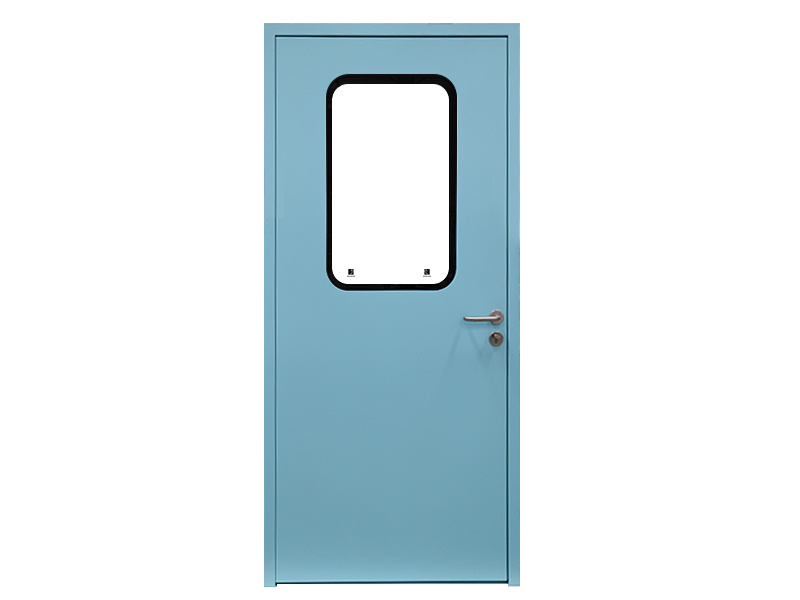
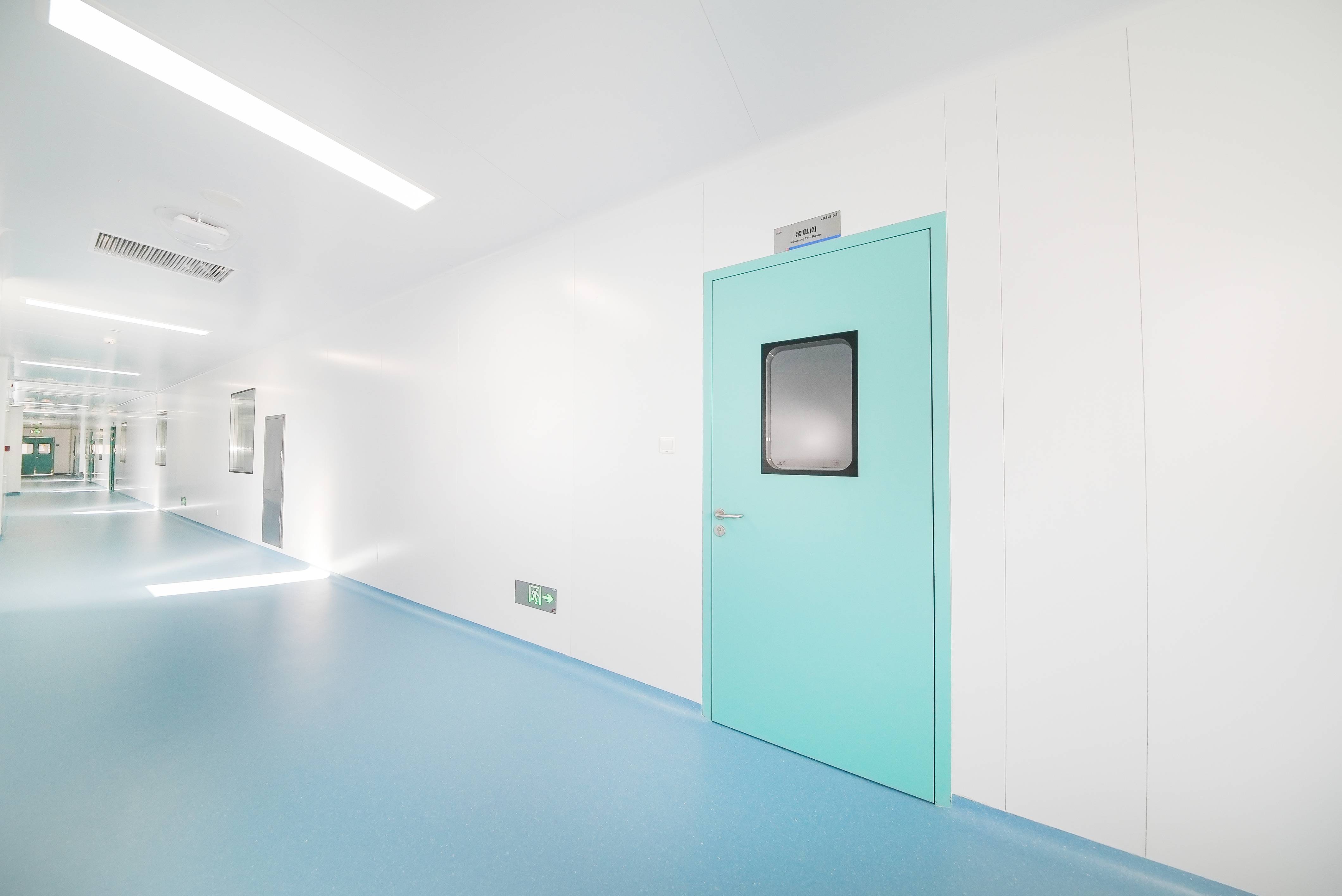
Cleanroom doors and windows must be designed for airtight sealing, easy cleaning, and corrosion resistance, with smooth surfaces that prevent particle accumulation. Monitoring systems are also essential, as they continuously track environmental conditions such as particle counts, temperature, humidity, and pressure differentials to ensure ongoing compliance. Additional equipment, including stainless steel workstations, storage cabinets, sampling units, and cleanroom carts, is designed to support efficient operations while minimizing contamination risks.
Designing a high-performance pharmaceutical cleanroom requires a combination of engineering expertise, regulatory knowledge, and a clear understanding of production processes. The first step is to define manufacturing requirements, including product type, production workflow, required cleanliness level, and applicable regulatory standards. Material selection is equally important, as surfaces must be smooth, easy to clean, resistant to chemicals, and capable of generating minimal particles. Common choices include stainless steel, specialized cleanroom panels, and epoxy flooring systems. Future scalability should also be considered during the design phase. Pharmaceutical operations often evolve, and incorporating flexible solutions such as modular cleanroom systems and adaptable layouts can support future expansion and process upgrades without major disruptions.
A pharmaceutical cleanroom is a controlled environment designed to reduce contamination risks during drug manufacturing by controlling particles, microorganisms, airflow, temperature, humidity, and pressure.
GMP cleanroom requirements define the cleanliness classification, environmental controls, monitoring procedures, and operational practices needed to ensure pharmaceutical products are manufactured safely and consistently.
ISO classification mainly focuses on airborne particle concentration, while GMP classification additionally considers microbial control, manufacturing processes, personnel practices, and quality management requirements.
Common pharma cleanroom equipment includes HEPA filtration systems, air showers, pass boxes, monitoring systems, cleanroom furniture, and specialized HVAC systems.
A pharmaceutical cleanroom layout should separate personnel and material flows, establish proper zoning, control airflow direction, and ensure compliance with GMP requirements.
A well-designed pharmaceutical cleanroom is essential for ensuring the safety, quality, and consistency of pharmaceutical products. From GMP classification and airflow control to layout optimization and equipment selection, every aspect of the cleanroom contributes to effective contamination prevention. By carefully assessing production requirements, regulatory standards, and long-term operational needs, companies can develop cleanroom environments that support compliance and efficiency. With the right design approach and reliable systems in place, pharmaceutical manufacturers can achieve sustainable, high-performance production in controlled environments.

Wiskind Cleanroom specializes in cleanroom enclosure system , ceiling system, cleanroom doors and windows and related product development, manufacturing, sales, consulting and services.

 Chinese
 English
 French
 Spanish
 Portuguese
 Arabic
 Korean
 German
 Japanese
 Thai
Thai Hindi
Hindi Russian