

We have a passion for unconventional solutions that bring your vision to life.
Dehumidifiers in pharmaceutical cleanrooms are essential equipment within a pharmaceutical factory. They effectively control the humidity in the cleanroom, maintaining a dry environment to ensure the quality and safety of the pharmaceuticals. This article will provide a detailed explanation of the importance of cleanrooms, the working principle of dehumidifiers, their selection, and usage.
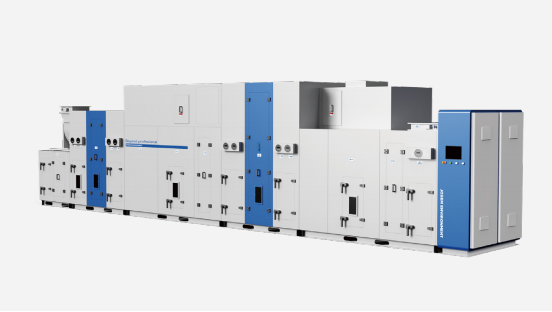
Cleanrooms are a crucial part of the pharmaceutical manufacturing process. They are the core area of pharmaceutical production, where the air quality, temperature, and humidity must meet specific standards. Among these factors, humidity is particularly critical, as both excessively high and low humidity can adversely affect the quality of the pharmaceuticals. Therefore, a dehumidifier is necessary to control the humidity, ensuring the environment inside the cleanroom meets the required standards.
Dehumidifiers reduce the humidity in the cleanroom by utilizing a refrigeration cycle. The machine draws in the humid air from the room through a compressor, then condenses the moisture into water through a condenser. This water is expelled through a drainage pipe. Simultaneously, the dehumidifier releases the dried, condensed air back into the room, thereby controlling the humidity levels inside the cleanroom.
When selecting a dehumidifier, pharmaceutical factories need to consider factors such as the size of the cleanroom, required humidity levels, and the manufacturing processes. Generally, larger-capacity, stable-performance dehumidifiers are needed for pharmaceutical cleanrooms. In addition, regular maintenance and servicing of dehumidifiers are necessary to ensure they operate properly. During use, attention must be paid to safety considerations, such as periodically cleaning the condenser and preventing blockages in the drainage pipes.
Dehumidifiers are widely used in pharmaceutical cleanrooms. First, they effectively control the humidity levels, keeping the cleanroom dry and preventing the pharmaceuticals from being damaged by moisture. Secondly, dehumidifiers reduce the growth of bacteria and mold in the room, thus improving the quality and safety of the pharmaceuticals. Additionally, dehumidifiers enhance operational efficiency in the cleanroom, reducing defects in the pharmaceutical production process.
With the ongoing development of the pharmaceutical industry, dehumidifier technology continues to evolve and improve. In the future, dehumidifiers will become more intelligent and energy-efficient, better meeting the needs of pharmaceutical cleanrooms. At the same time, there will be greater emphasis on environmental protection and sustainability, minimizing the impact on the environment.
In summary, dehumidifiers in pharmaceutical cleanrooms play a vital role in the pharmaceutical production process. They effectively control the humidity, maintain a dry environment, and ensure the quality and safety of the pharmaceuticals. Pharmaceutical factories must consider multiple factors when selecting and using dehumidifiers and conduct regular maintenance. In the future, dehumidifiers will continue to evolve, providing better solutions for pharmaceutical cleanrooms.

Wiskind Cleanroom specializes in cleanroom enclosure system , ceiling system, cleanroom doors and windows and related product development, manufacturing, sales, consulting and services.

 Chinese
 English
 Russian
 French
 Spanish
 Portuguese
 Arabic
 Korean
 German
 Japanese
 Thai
Thai Hindi
Hindi