

We have a passion for unconventional solutions that bring your vision to life.
A modular cleanroom is a controlled environment constructed from pre-engineered components such as wall panels, ceiling systems, flooring, and air filtration units. These elements are manufactured in advance and then transported to the site for assembly. Unlike conventional cleanrooms that are built entirely on-site, modular cleanrooms are designed as integrated systems with standardized parts.
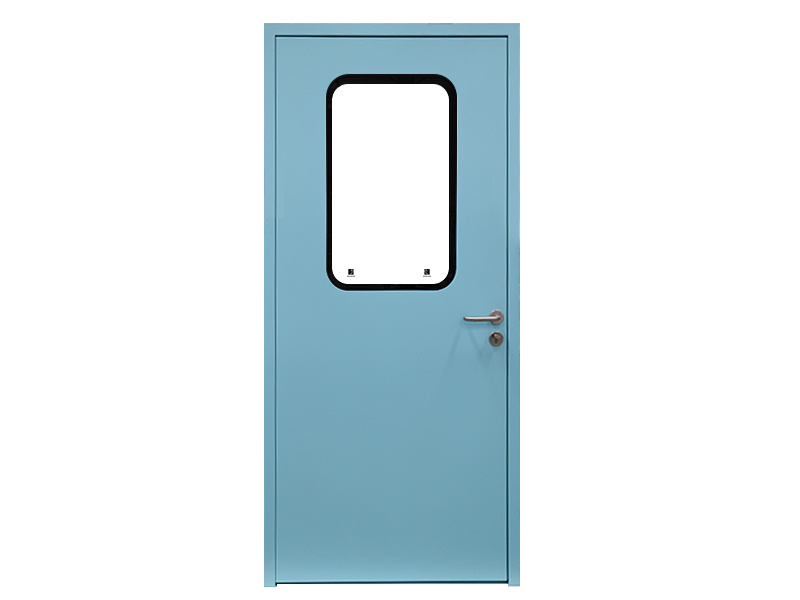
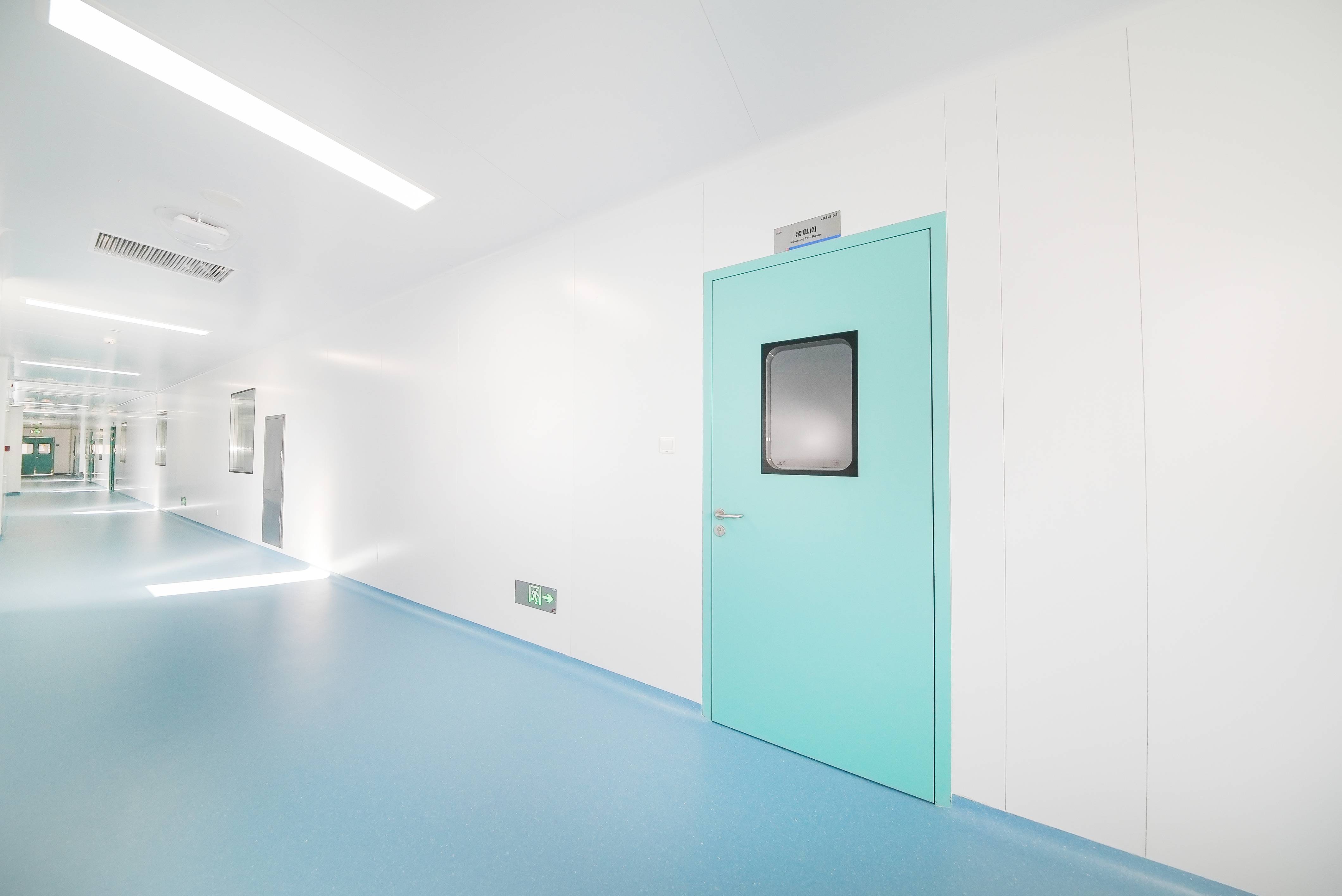
Each component is engineered to meet specific cleanliness classifications, including ISO Class 5 through ISO Class 8 environments. Typical systems include cleanroom panels, ceiling grids, filtration units such as HEPA or ULPA filters, HVAC and airflow systems, doors, windows, lighting, electrical infrastructure, and specialized flooring.
Because these components are produced under controlled factory conditions, solutions provided by Wiskind can achieve higher consistency in quality while significantly reducing installation time compared to traditional construction.
The modular cleanroom construction process generally begins with a detailed design phase, where engineers assess cleanliness requirements, room dimensions, airflow design, temperature and humidity conditions, and compliance standards. The cleanroom layout is then tailored to match the customer’s production process and operational goals.
Once the design is finalized, key components such as panels, ceilings, and structural systems are manufactured in a factory setting. This approach improves precision and minimizes on-site construction errors. After production, all prefabricated elements are transported to the installation site, where they are assembled efficiently with minimal disruption.
Following installation, the cleanroom undergoes a series of validation tests to ensure compliance with required standards. These tests typically include particle count measurement, airflow verification, filter integrity checks, temperature and humidity validation, and pressure differential testing.
Modular cleanrooms are increasingly adopted across industries such as pharmaceuticals, healthcare, electronics, and research due to their efficiency and adaptability.
One of the most significant benefits is the reduced installation timeline. Since components are manufactured simultaneously off-site, overall project duration is significantly shortened compared to traditional construction, which often involves extensive on-site work.
Another major advantage is flexibility. Modular cleanrooms can be expanded, reconfigured, relocated, or upgraded as production requirements evolve. This makes them particularly suitable for businesses experiencing growth or frequent process changes.
Quality control is also enhanced because components are produced in controlled environments, ensuring consistent dimensions, improved sealing performance, and reduced contamination risks. In addition, modular systems can offer better long-term cost efficiency by minimizing construction waste, simplifying maintenance, and enabling easier future upgrades. Wiskind modular cleanroom solutions are designed to support these lifecycle benefits while maintaining high performance standards.
Traditional cleanroom construction refers to the process of building a cleanroom entirely on-site using conventional construction methods. This approach involves site preparation, structural building, installation of walls and ceilings, HVAC integration, electrical work, and final finishing.
This method has been widely used for large-scale facilities where cleanrooms are intended to be permanent parts of the building infrastructure. It allows for deep integration with the overall facility design and is often selected for complex industrial environments.
Traditional cleanrooms are well suited for projects that require permanent infrastructure. They can be seamlessly integrated into the building structure, making them ideal for facilities with long-term operational plans. Another advantage is the high level of customization. Since the cleanroom is built from the ground up, it allows for tailored designs that accommodate complex production processes. This approach is often preferred for large-scale projects such as semiconductor fabrication plants, pharmaceutical manufacturing facilities, and advanced industrial operations where customization and permanence are priorities.
The choice between modular and traditional cleanrooms depends on several factors, including project scope, timeline, and future expansion needs. Modular cleanrooms are constructed using prefabricated components assembled on-site, resulting in faster installation and reduced construction complexity. In contrast, traditional cleanrooms are built entirely at the project location and typically require longer timelines.
Comparison Factor | Modular Cleanroom | Traditional Cleanroom |
Construction Method | Prefabricated components assembled on-site | Built completely at the project location |
Installation Speed | Faster installation | Longer construction period |
Flexibility | Easy expansion and relocation | Difficult to modify after completion |
Initial Construction Work | Minimal site construction | Requires extensive construction activities |
Quality Control | Factory-controlled manufacturing | Depends heavily on site conditions |
Future Upgrades | Easier and more cost-effective | More complex and expensive |
Project Scale | Suitable for small to medium and expanding facilities | Suitable for large permanent facilities |
Cost Control | More predictable | Higher risk of unexpected costs |
Modular systems offer greater flexibility, allowing for easier expansion, relocation, and upgrades, whereas traditional cleanrooms are more difficult to modify once completed. Quality control in modular construction is more consistent due to factory manufacturing, while traditional construction depends heavily on on-site conditions. In terms of cost, modular cleanrooms generally provide more predictable budgeting, whereas traditional projects may involve higher risks of unexpected expenses.
Cost-effectiveness largely depends on the specific application. For businesses that require rapid deployment, adaptable layouts, and the ability to scale operations, modular cleanrooms are often the more practical choice. They help reduce downtime and allow companies to respond quickly to changing production demands.
On the other hand, traditional cleanroom construction may be more suitable for large, permanent facilities that require complex integration with existing structures or highly customized designs.
Selecting the appropriate cleanroom construction method requires careful evaluation of several factors. Cleanliness requirements should be clearly defined, as ISO classification levels directly influence design and system configuration. Businesses should also consider future expansion plans, especially if production capacity, equipment, or processes are likely to change. Project timelines are another critical consideration. If rapid deployment is essential, modular solutions provide a clear advantage. In addition, working with an experienced supplier such as Wiskind ensures reliable design, high-quality materials, engineering support, and compliance with industry standards.
There is no one-size-fits-all answer, as each project has unique requirements. Modular cleanrooms are typically preferred by companies seeking flexibility, faster installation, and scalable solutions. They are widely used in medical device manufacturing, pharmaceutical production, laboratories, electronics assembly, and research environments.
Traditional cleanroom construction remains a strong option for large-scale facilities where permanent integration with the building structure is necessary. Before making a decision, businesses should carefully assess their timeline, budget, cleanliness requirements, future expansion plans, and facility constraints.
A modular cleanroom uses prefabricated components manufactured in advance and assembled on-site, while a traditional cleanroom is constructed directly at the facility using conventional building methods. Modular systems typically provide faster installation and greater flexibility.
Yes. Modular cleanrooms are widely used in pharmaceutical, biotechnology, and medical industries because they can meet strict contamination control requirements and support flexible production environments.
The installation time depends on the cleanroom size, design complexity, and required specifications. However, modular cleanroom construction is generally faster than traditional construction because many components are prepared before installation.
Yes. One of the major advantages of modular clean rooms is their ability to be expanded or modified as production requirements change.
A reliable supplier should provide professional design capability, quality-controlled manufacturing, installation support, testing services, and experience in your target industry.
Choosing between modular and traditional cleanroom construction ultimately depends on your operational goals and long-term development strategy. Modular cleanrooms, especially those offered by Wiskind, provide clear advantages in speed, flexibility, and cost control, making them ideal for dynamic and growing industries. Traditional construction continues to serve as a reliable solution for large, permanent installations that demand deep structural integration.
By understanding the strengths of each approach and partnering with an experienced supplier, companies can create efficient, compliant cleanroom environments that support sustainable production and long-term success.

Wiskind Cleanroom specializes in cleanroom enclosure system , ceiling system, cleanroom doors and windows and related product development, manufacturing, sales, consulting and services.

 Chinese
 English
 French
 Spanish
 Portuguese
 Arabic
 Korean
 German
 Japanese
 Thai
Thai Hindi
Hindi Russian