

We have a passion for unconventional solutions that bring your vision to life.
In any clean room, the control of airflow is essential for maintaining the integrity of the environment. One critical element that influences this airflow is the clean room window. Whether used in pharmaceutical manufacturing, semiconductor production, or food processing, clean room windows serve not only as a physical barrier to external contaminants but also play a significant role in the air circulation and overall cleanliness of the room. In this article, we will explore how clean room windows affect airflow, focusing on their design, functionality, and integration with clean room systems.
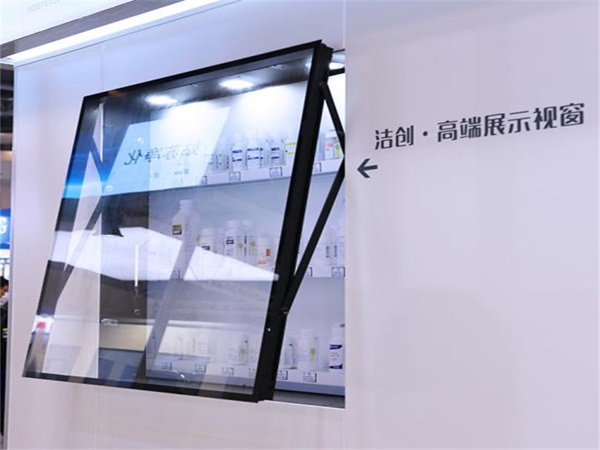
The design and placement of clean room windows can significantly influence the way air flows within the controlled environment. Since clean rooms are designed to minimize contamination, windows are engineered to ensure that they do not compromise the airflow or introduce potential contaminants. A well-designed window helps maintain the integrity of the airflow system by offering an unobstructed flow of air while also preventing the entry of dust, particles, or microbes from the outside. The materials used for clean room windows, such as stainless steel frames and high-quality glass, ensure that the windows can withstand the demands of constant cleaning and exposure to environmental elements without becoming a source of contamination.
Maintaining appropriate pressure differentials within a clean room is crucial for controlling contamination levels. Clean room windows contribute to this by either allowing for the monitoring of pressure or directly influencing the airflow system's efficiency. When clean room windows are placed correctly, they support the desired air pressure by ensuring a smooth, controlled air exchange between the room and its surroundings. Additionally, windows with tight seals help prevent the infiltration of unfiltered air, which could disrupt the balance of positive or negative pressure that is necessary for maintaining air quality.
Clean room windows can be specially designed to enhance airflow efficiency. The incorporation of features such as air-tight seals, automated ventilation systems, and low-emissivity glass can help achieve more efficient air circulation. For example, windows that are designed with low-emissivity coatings reduce the thermal load on the clean room, thus minimizing the strain on air conditioning and ventilation systems. Furthermore, some clean room windows are designed with integrated airflow channels or vents that allow for controlled air release or intake, optimizing the airflow dynamics within the clean room environment.
In addition to controlling airflow, clean room windows are an integral part of the overall environmental control within the room. Clean rooms are highly sensitive to temperature, humidity, and particle contamination, all of which can be affected by the design and installation of windows. By ensuring that the windows are sealed properly and constructed from materials that do not interfere with temperature or humidity regulation, the overall environment remains consistent. Additionally, windows provide visibility for monitoring the clean room's conditions without disrupting the delicate balance of the airflow system. In this way, clean room windows contribute to both the aesthetics and functionality of the clean room by offering a controlled, visible environment while maintaining the integrity of airflow and cleanliness.
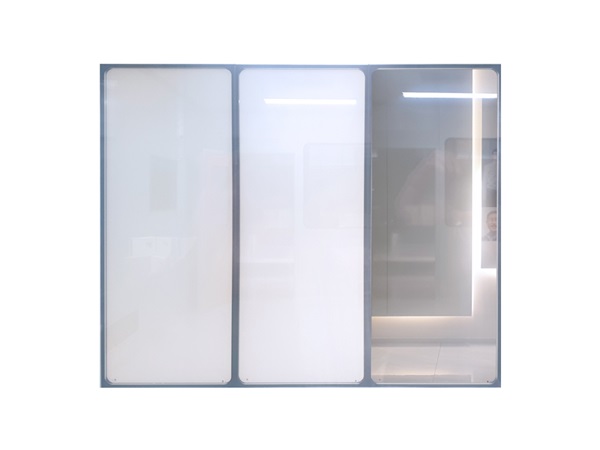
The integration of clean room windows with the clean room's HVAC (heating, ventilation, and air conditioning) system is another important consideration for airflow management. The proper alignment of the window with the ventilation system allows for optimal air exchange and the maintenance of a consistent airflow throughout the room. High-quality windows that are designed with ventilation in mind can facilitate more effective air distribution, helping to maintain a constant airflow without compromising the performance of the HVAC system. Additionally, windows that allow for ease of cleaning and maintenance contribute to the ongoing efficiency of the HVAC system, as the accumulation of dust or contaminants on windows can obstruct airflows and negatively impact system performance.
In conclusion, clean room windows play a significant role in the overall airflow management and environmental control within clean rooms. From their design and integration with the HVAC system to their ability to maintain pressure differentials and ensure contamination-free conditions, clean room windows are an essential element of the clean room infrastructure. By choosing high-quality, well-designed windows, clean room operators can optimize airflow efficiency and create an environment that supports the highest standards of cleanliness and safety.

Wiskind Cleanroom specializes in cleanroom enclosure system , ceiling system, cleanroom doors and windows and related product development, manufacturing, sales, consulting and services.

 Chinese
 English
 Russian
 French
 Spanish
 Portuguese
 Arabic
 Korean
 German
 Japanese
 Thai
Thai Hindi
Hindi