

We have a passion for unconventional solutions that bring your vision to life.
Designing an effective cleanroom is a complex process that requires careful planning, particularly when it comes to cleanroom partitions. These partitions serve as the backbone of the cleanroom structure, dividing different areas to ensure that air quality and contamination control are maintained. Whether in pharmaceutical manufacturing, electronics production, or laboratory settings, cleanroom partitions must be designed with precision to meet stringent regulatory standards. This article will explore the key design considerations for cleanroom partitions, emphasizing their role in creating a controlled and sterile environment.
The primary function of cleanroom partitions is to control the flow of air and prevent contamination between different zones within the cleanroom. When designing partitions, careful attention must be paid to airflow patterns to avoid turbulence that could lead to contamination. The partition design should ensure that air flows smoothly from higher cleanliness areas to lower cleanliness areas, while preventing cross-contamination. The layout of partitions must accommodate the air handling system to maintain proper airflow and pressure differentials. In addition, the materials used in partition construction must be non-porous, smooth, and easy to clean to avoid dust and particle buildup, which could jeopardize the cleanliness of the environment.
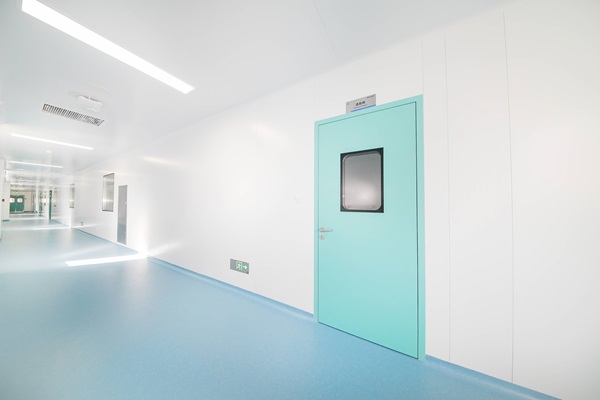
The choice of materials for cleanroom partitions plays a crucial role in the overall performance and functionality of the cleanroom. Materials must meet strict standards for cleanliness, durability, and resistance to contamination. Stainless steel, aluminum, and composite panels are commonly used in cleanroom partition systems due to their resistance to corrosion and ease of maintenance. The materials should also provide a smooth surface to prevent the accumulation of particles, which can negatively impact air quality. Additionally, materials should be chosen based on their ability to withstand cleaning agents and sterilization procedures without degrading. Choosing the right material ensures that the cleanroom partitions will maintain their structural integrity and functionality over time.
The layout of cleanroom partitions directly impacts the efficiency of the space and the overall functionality of the cleanroom. A well-designed partition system maximizes the available space, ensuring that the cleanroom is organized and easy to navigate. The design should take into account the flow of personnel, equipment, and materials to minimize the risk of contamination. Modular cleanroom partitions offer the flexibility to adapt the layout as needed, allowing the cleanroom to grow or change as requirements evolve. The placement of partitions should also consider the need for workstations, storage, and other equipment, ensuring that all areas of the cleanroom are accessible while maintaining strict contamination control.
Compliance with industry standards and regulations is a critical aspect of cleanroom design. Cleanroom partitions must meet various regulatory requirements, such as those outlined in ISO 14644, GMP (Good Manufacturing Practice), and FDA guidelines. The design of the partitions must ensure that they do not compromise the cleanroom's classification and that they meet safety standards for the specific industry in which they are used. For example, partitions in pharmaceutical manufacturing cleanrooms must ensure that contamination risks are minimized, while those in semiconductor facilities need to be designed to control electrostatic discharge (ESD). The materials, design, and installation of cleanroom partitions must be compliant with these regulations to ensure the safe operation of the cleanroom.
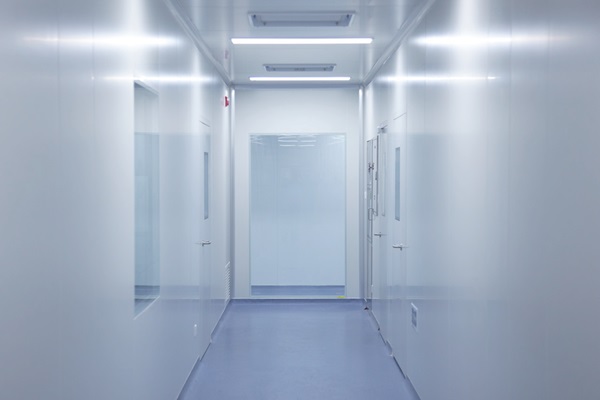
Maintaining the integrity of cleanroom partitions is vital to ensuring that the cleanroom environment remains uncontaminated. The partition design should facilitate regular cleaning and maintenance without compromising the room's cleanliness or airflow. Materials used in the partitions should be resistant to wear and tear, ensuring long-term durability. Smooth, seamless surfaces help prevent the buildup of contaminants and make it easier to wipe down surfaces. Additionally, cleanroom partitions should be designed to allow for easy inspection and replacement of parts, should any damage occur. A good design will take into account the ease of maintenance, which contributes to the longevity of the cleanroom structure and ensures it continues to perform to the highest standards.
In conclusion, cleanroom partitions are a fundamental element in the design of any cleanroom, playing a critical role in maintaining air quality, space efficiency, and regulatory compliance. The materials, layout, and maintenance considerations for partitions are all crucial in creating an environment that meets the specific needs of each industry. A well-thought-out partition system can help optimize airflow, minimize contamination risks, and provide a flexible solution that adapts to changing requirements over time.

Wiskind Cleanroom specializes in cleanroom enclosure system , ceiling system, cleanroom doors and windows and related product development, manufacturing, sales, consulting and services.

 Chinese
 English
 Russian
 French
 Spanish
 Portuguese
 Arabic
 Korean
 German
 Japanese
 Thai
Thai Hindi
Hindi