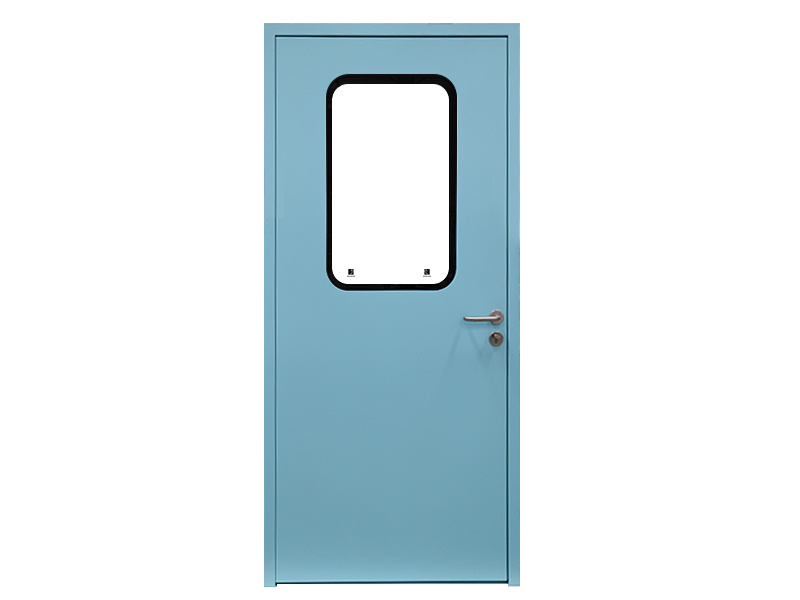


We have a passion for unconventional solutions that bring your vision to life.
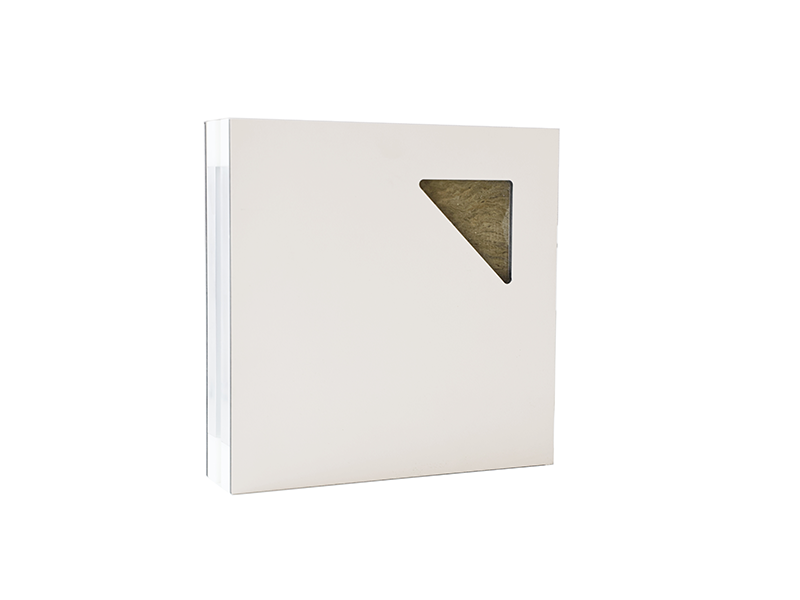
As one of the cleanroom panel core materials, rock wool is widely used in clean engineering fields such as electronics, pharmacy, food, biology, aerospace, precision instrument manufacturing and scientific research that require harsh indoor environments. Due to the special properties of rock wool, it has Class A fire resistance, non-combustibility, density ≥120Kg/rn, non-absorption, and high water-repellent rate, which is highly praised by customers.
However, in the market, some unscrupulous merchants use slag wool instead of rock wool, which will greatly reduce the strength and flexural bearing capacity of the clean board. At the same time, in the use environment, the board surface bulge problem due to temperature and humidity will be seriously affected. The quality of product production will cause economic losses to the enterprise. As the largest manufacturer of clean sheets in China, Wiskind will share with you how to distinguish between rock wool and slag wool?
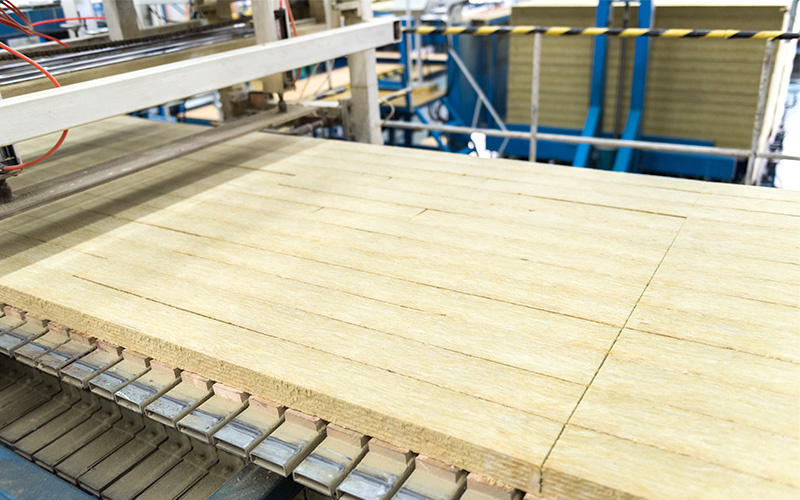
1.All belong to mineral wool, using natural rock, or slag and other raw materials through a high-temperature furnace, and forming a non-polar fibrous product under the action of centrifugal force and wind.
2. The main components are silicon dioxide, aluminum oxide, calcium oxide, magnesium oxide and a small amount of iron oxide.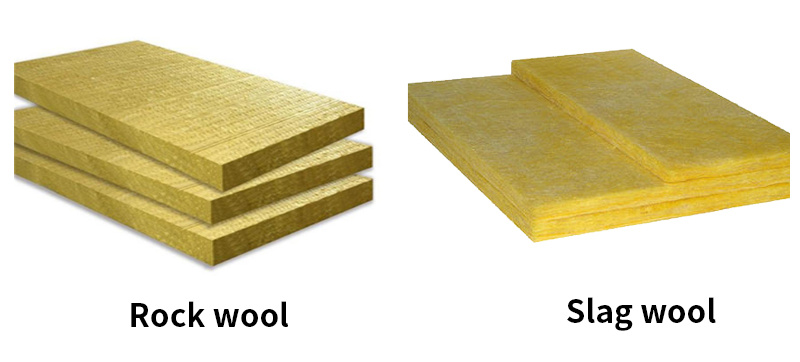
Traditionally, the product produced with slag as the main raw material is mineral wool, and the product produced with natural stones such as basalt and diabase as the main raw material is called rock wool.
From a professional point of view, the acidity coefficient is generally used as the main indicator to distinguish between rock wool and slag wool. The acidity coefficient refers to the ratio of the sum of acidic oxides to the sum of alkaline oxides in the product, namely: acid-base coefficient MK=(silica + aluminum oxide)/(calcium oxide + magnesium oxide) acidity coefficient ≥ 1.6 It is rock wool, and the acidity coefficient <1.6 is slag wool. Generally speaking, the greater the acidity coefficient, the better the chemical durability of rock wool and slag wool. Rock wool has a high acidity coefficient, and its chemical stability and high temperature resistance are better than slag wool.
Main raw materials: natural ores such as rock wool basalt, diabase, gabbro, dolomite, limestone, etc., which are generally melted in cupolas with coke as fuel; slag wool blast furnace slag, steelmaking slag, titanium alloy slag, non-ferrous smelting slag, Iron slag, fly ash, cyclone slag, etc. are generally melted in cupolas using coke as fuel.
Appearance color: rock wool gray-green, mainly due to the strong dyeing of iron oxide (Fe2O3). The color of slag wool is white or off-white.
PH value: The PH value of rock wool is generally <4. The PH value of slag wool is generally> 5, even> 6.
Water resistance: rock wool has good water resistance; slag wool is poor in water resistance and should not be used in humid environments. Heat resistance: The use temperature of rock wool can be as high as 800℃, and the softening temperature can be as high as 900-1000℃. Slag wool is easy to pulverize and disintegrate at 675℃. The use temperature of slag wool should not exceed 675℃.
Corrosion resistance: Rock wool generally uses basalt or diabase as raw materials, and there is no more sulfur source in addition to the trace sulfur carried by coke during smelting, so it has no corrosive effect on metals; the main raw material of slag wool is slag production Yes, the sulfur content is about 5%, and it will have a corrosive effect on contact with metal when used in a humid environment.
Thermal conductivity: The thermal conductivity of rock wool is 0.037—0.039W/mk. The thermal conductivity of slag wool is slightly higher.
Rock Wool · Color: gray-green (due to iron oxides in basalt) · Fiber: long, elastic, uniform · Surface: smooth, no visible "shot" particles · Touch: resilient, springs back after compression · Water: floats, does not absorb moisture | Slag Wool · Color: white, yellowish, or dirty gray · Fiber: short, brittle, sheds dust · Surface: loose, with visible "shot" inclusions · Touch: prickly, does not recover after compression · Water: sinks rapidly, actively absorbs water |
Quick Field Test: Place a sample of the wool in a glass of water. Rock wool, thanks to its hydrophobic treatment, stays afloat without absorbing moisture. Slag wool begins to sink within minutes and actively soaks up water. This simple test reveals substitution in under 5 minutes without laboratory equipment.
In the context of cleanroom wall and ceiling panels (pharmaceutical, semiconductor, biotechnology, and healthcare facilities), the consequences of using slag wool instead of rock wool extend far beyond mere "cost savings":
· Corrosion of metal facings — Sulfur and high CaO/MgO content in slag wool, under fluctuating humidity conditions, cause pitting corrosion on SS304 stainless steel and galvanized steel. Within 1–2 years of operation, rusty spots appear on panel surfaces.
· Panel surface bulging — Slag wool actively absorbs atmospheric moisture (water absorption >2 kg/m² vs. <1 kg/m² for rock wool). Under the temperature and humidity fluctuations typical of cleanrooms (15–25°C, 45–60% RH), the fiber expands, causing facing delamination — visible as "blisters" and "waves" on the panel surface.
· Core disintegration during fire — At approximately 675°C, slag wool pulverizes into powder and the panel loses its load-bearing capacity. Rock wool withstands >800°C without structural degradation.
· Particulate contamination — The loose structure of slag wool with high shot content generates airborne micro-particles that contaminate the cleanroom environment.
· Loss of certification — A slag-wool-core panel does not meet the declared fire resistance and cleanliness classifications. During a GMP/FDA audit, such non-compliance can result in a production shutdown.
The mineral wool market is undergoing a transformation that directly impacts the cleanroom panel industry:
As of 2024–2025, the updated Construction Products Regulation (CPR) in the EU requires full raw material traceability for mineral wool products. Manufacturers must now declare the mineralogical composition in the Declaration of Performance (DoP). This makes substituting rock wool with slag wool virtually impossible in the legal EU market. However, the problem remains acute in Asian and CIS markets.
Leading manufacturers (Rockwool A/S, Knauf Insulation, Saint-Gobain Isover) are investing in:
· Electric melting furnaces — reducing carbon footprint by up to 80% and delivering more consistent fiber quality
· 3D fiber orientation — a technology that increases compressive strength by ~30% by aligning fibers perpendicularly within the panel core
· Bio-based binders — replacing phenol-formaldehyde resins with plant-based binders to reduce VOC emissions to zero
· Low-chloride grades — chloride content <10 ppm for use with austenitic stainless steel structural elements
According to 2025 industry research, the price difference between rock wool and slag wool has reached 35–60% (compared to 25–30% five years ago). This is driven by rising energy costs for basalt melting (higher temperatures required) and the simultaneous cheapening of blast furnace slag as an abundant steelmaking byproduct. For unscrupulous suppliers, the temptation to substitute has only grown stronger
When accepting panel deliveries, request the following documentation confirming the use of genuine rock wool:
Standard | What It Confirms |
EN 13162 | Factory-made mineral wool products (CE marking) |
EN 13501-1 | Fire classification (A1 — non-combustible) |
ASTM C518 / ISO 8301 | Thermal conductivity (λ), W/m·K |
EN 1609 | Water absorption — short-term partial immersion |
ISO 22196 | Antimicrobial surface activity |
ISO 16000 | VOC emissions (Volatile Organic Compounds) |
GB 8624 | Classification of building material combustibility (China) |
GOST R 52539 | Air cleanliness in healthcare facilities (Russia) |
Rock wool is the non-negotiable standard for cleanroom partition wall panels. Slag wool, despite its superficial similarity and lower price point, introduces unacceptable risks: from corrosion and panel bulging to loss of certification and production downtime.
Practical procurement recommendations:
What to Require · Chemical analysis report with MK calculation (≥ 1.6) · Declaration of Performance (DoP) per EN 13162 · Fire resistance test report specifying core material · Water absorption test report per EN 1609 (< 1.0 kg/m²) · Incoming inspection report with visual verification for each batch · Antimicrobial coating certificate (ISO 22196) | Red Flags to Watch For · Price more than 20% below market average · No chemical analysis reports available · White or yellowish core color · Supplier cannot name the basalt quarry of origin · Core crumbles and generates dust under light pressure · Wool sample sinks or actively absorbs water in the field test |
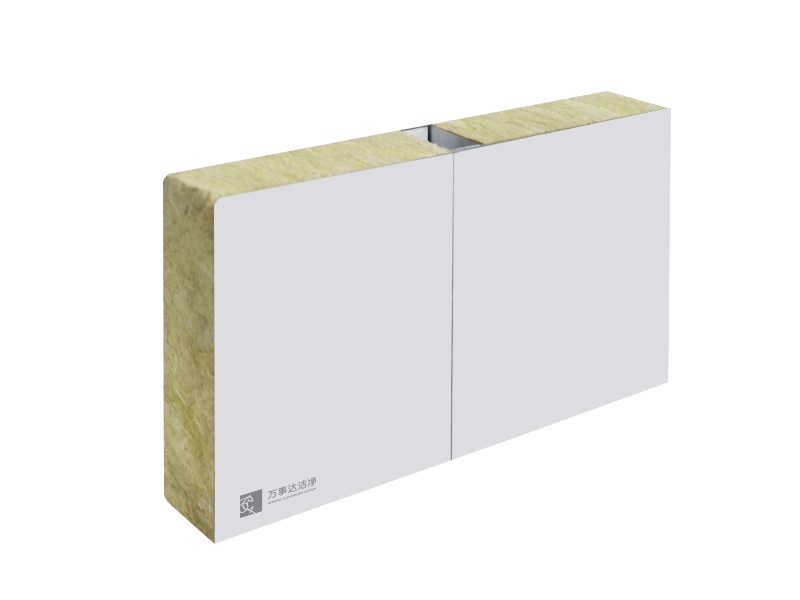
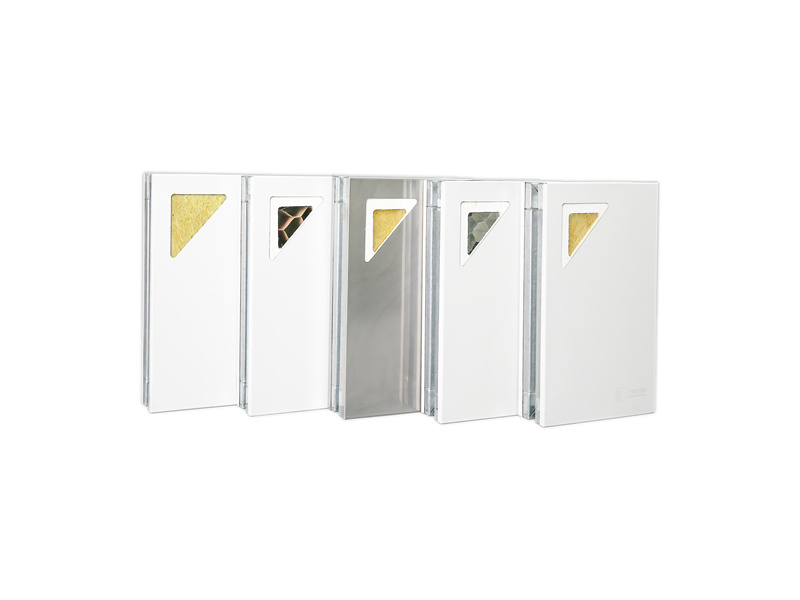
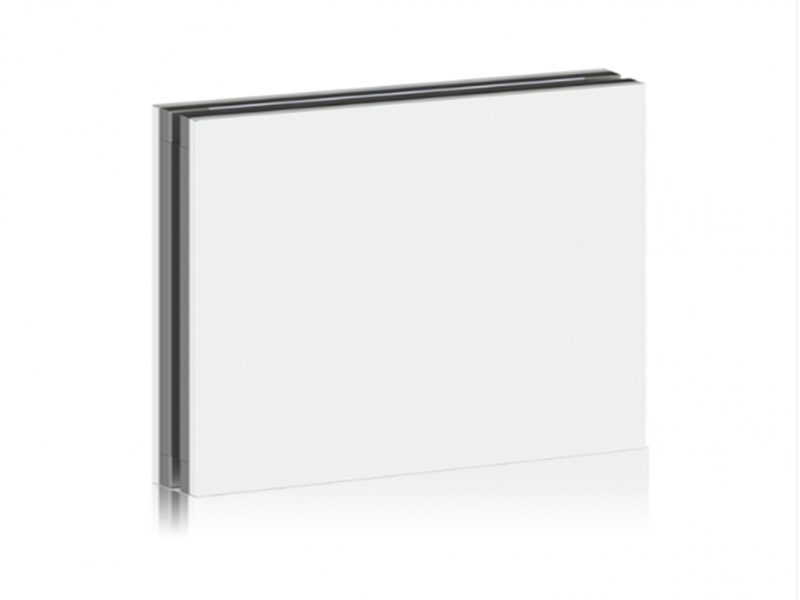
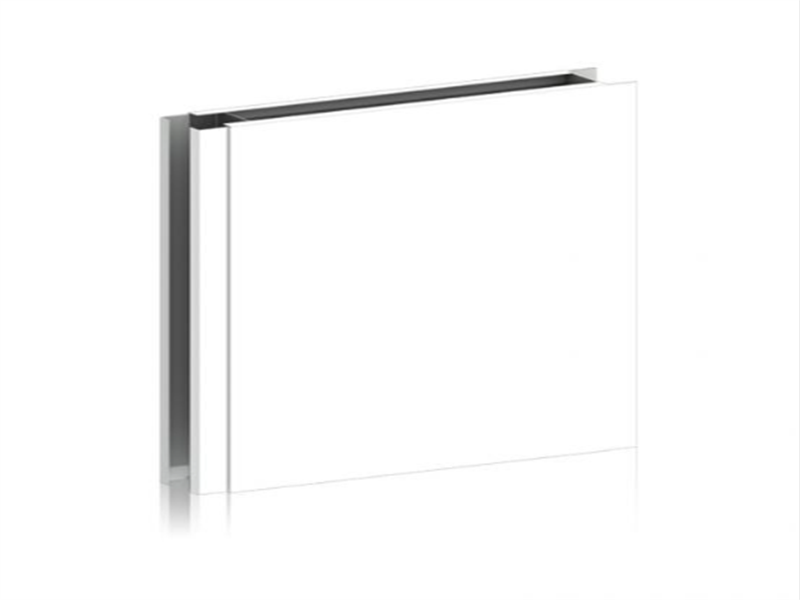
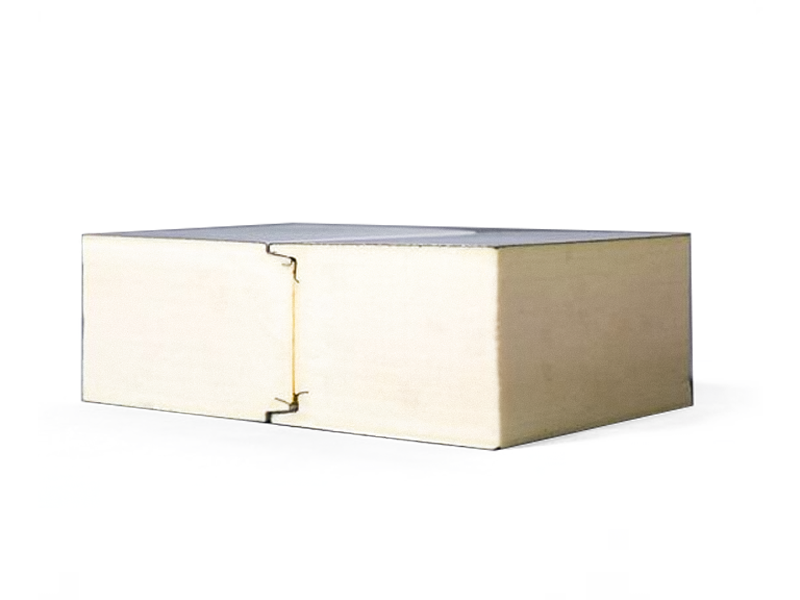
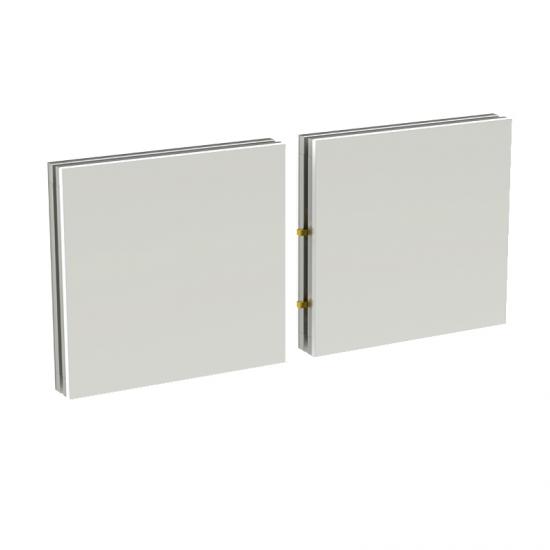
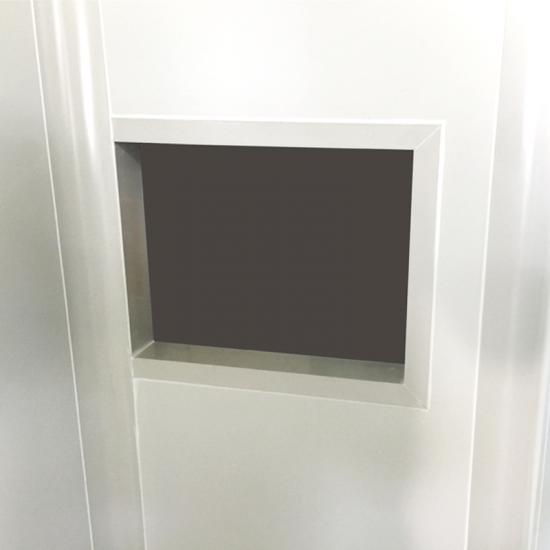
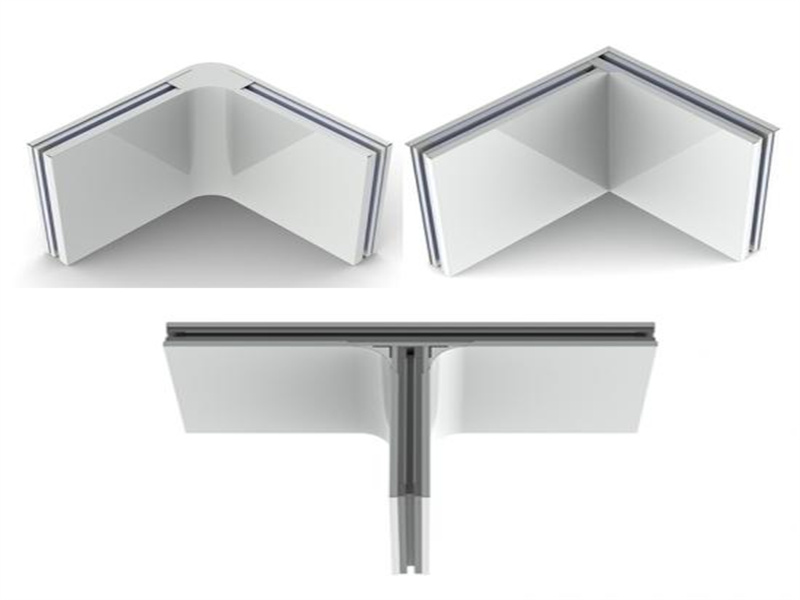
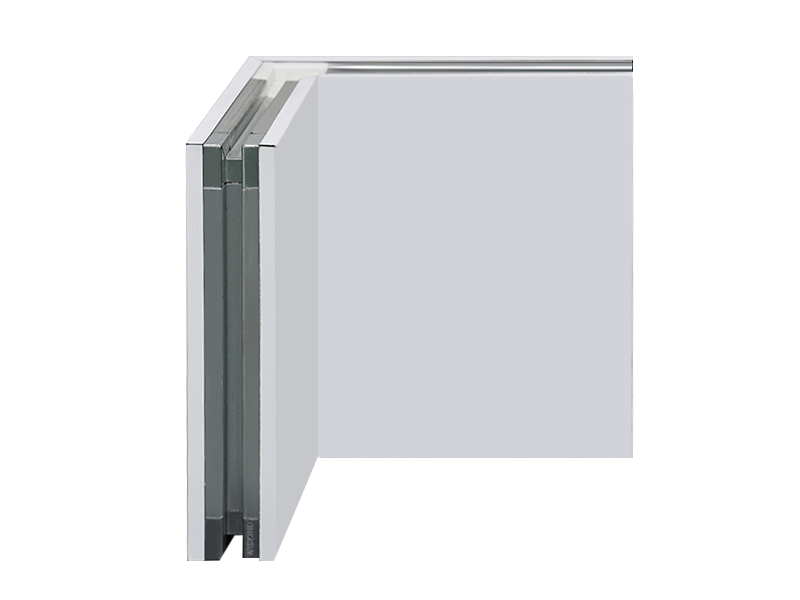
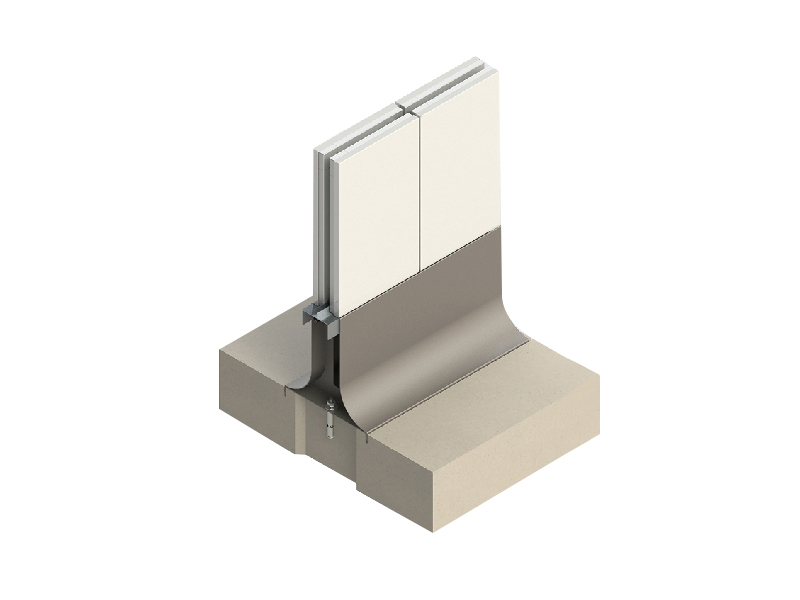
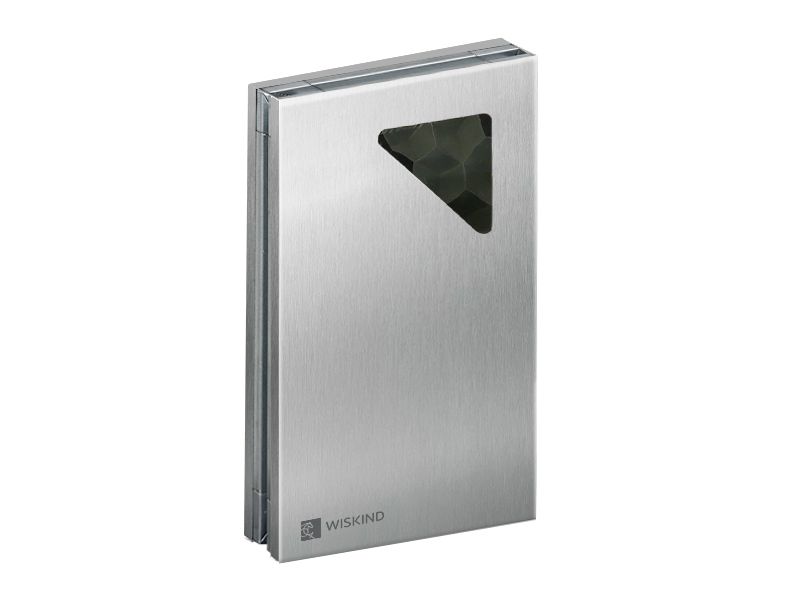
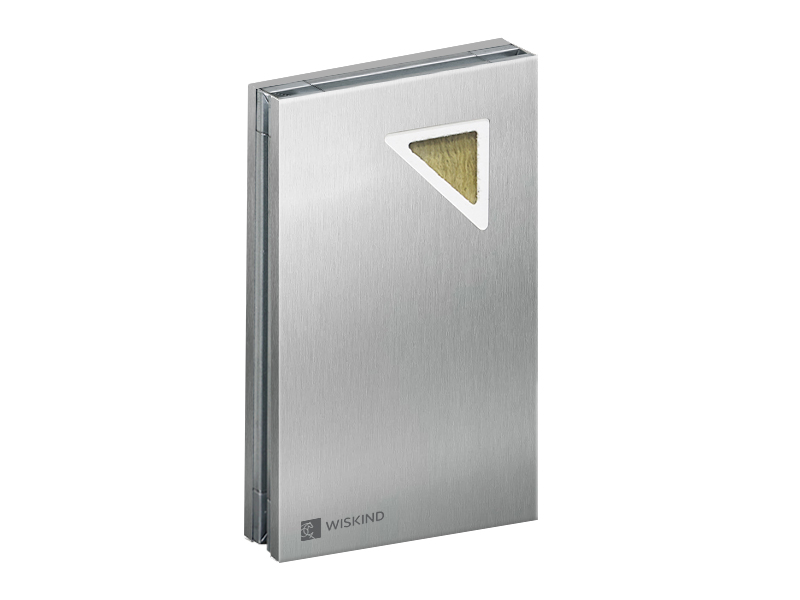
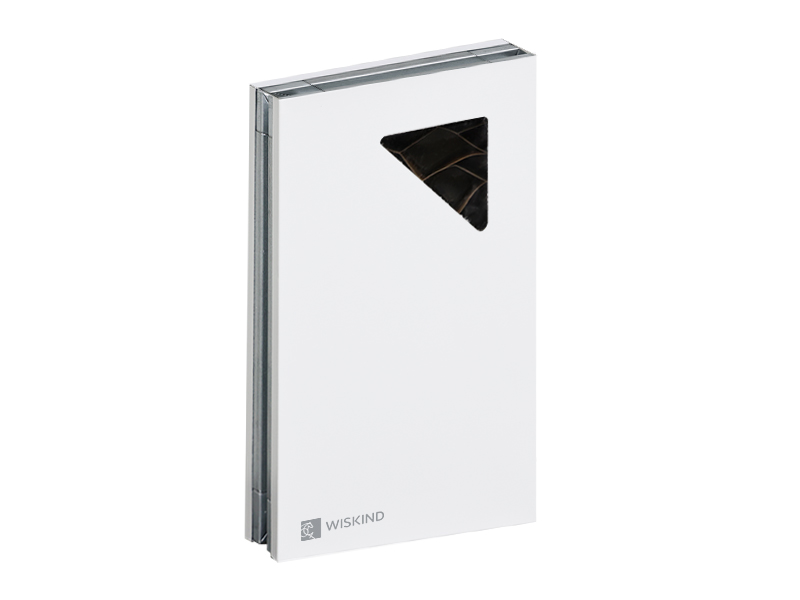
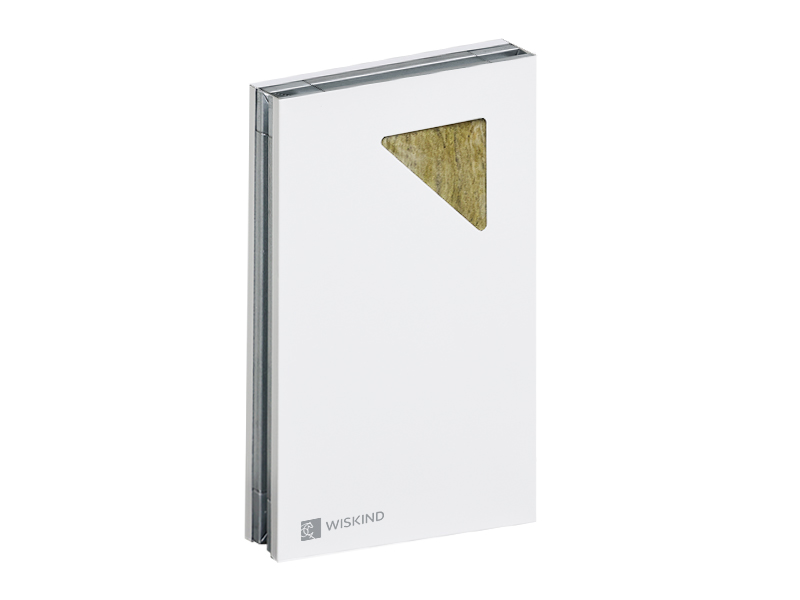
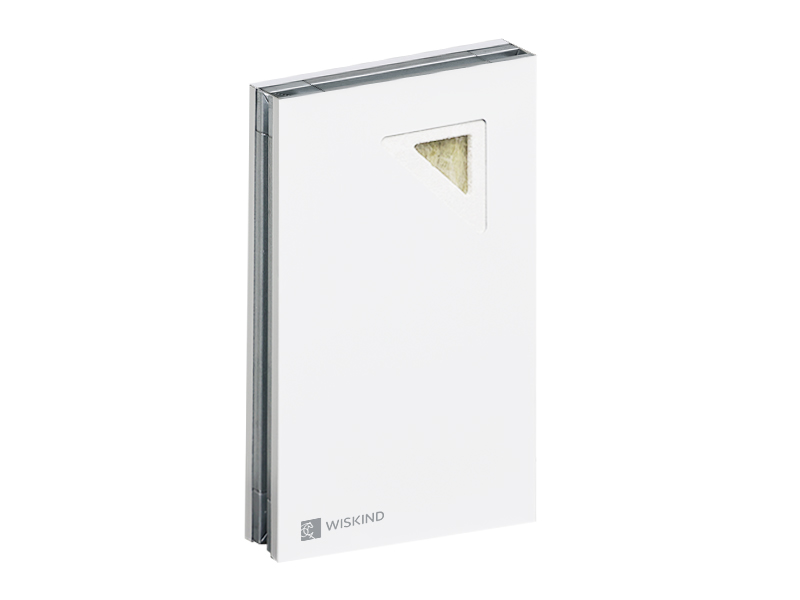

Wiskind Cleanroom specializes in cleanroom enclosure system , ceiling system, cleanroom doors and windows and related product development, manufacturing, sales, consulting and services.

 Chinese
 English
 Russian
 French
 Spanish
 Portuguese
 Arabic
 Korean
 German
 Japanese
 Thai
Thai Hindi
Hindi