

We have a passion for unconventional solutions that bring your vision to life.
What are the Guidelines for ISO 7 Cleanroom
Cleanrooms play a vital role in industries where even minute contaminants can lead to costly disruptions. Among the various classifications, ISO 7 Clean Rooms strike a balance between contamination control and operational practicality. They are crucial to ensuring stable production conditions and protecting sensitive processes from particulate intrusion. This article discusses the primary guidelines defining ISO 7 Clean Room standards, compliance strategies, and recommended practices. It also explores how Wiskind Cleanroom offers comprehensive solutions to help organizations achieve and maintain optimal cleanroom performance.
An ISO 7 Clean Room is characterized by strict control over airborne particles, permitting up to 352,000 particles per cubic meter for particles sized 0.5 microns or larger. This standard is widely applied in sectors such as pharmaceuticals, biotechnology, and electronics, where maintaining product integrity and safety is critical. In a pharmaceutical setting, for instance, adhering to ISO 7 requirements safeguards drugs from microbial and particulate contamination while ensuring conformity with regulatory authorities like the FDA. Understanding these standards enables businesses to design and operate cleanrooms that meet precise cleanliness levels, protect manufacturing processes, and support long-term operational reliability.
Meeting ISO 7 compliance calls for a systematic approach that integrates several parameters of environmental control. These include effective airflow management, stable temperature and humidity regulation, routine particle monitoring, and strict personnel procedures. Airflow control generally relies on technologies such as high-efficiency particulate air (HEPA) filtration and laminar flow systems to ensure a steady, clean airflow. Periodic validations—through air sampling and microbial tests—are essential to confirm consistent performance. Many facilities also benefit from advanced, real-time monitoring tools that track environmental variables and immediately flag potential deviations. Such practices reinforce product quality, reliability, and confidence across all operations.
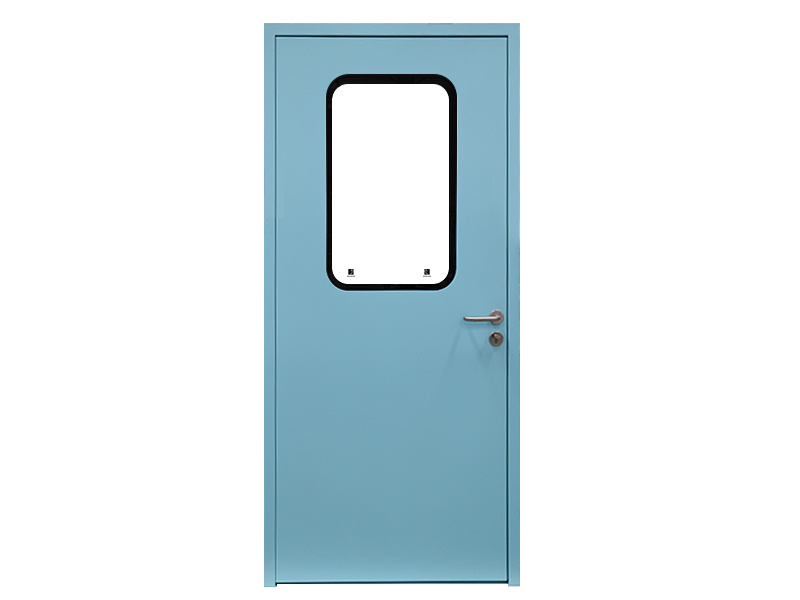
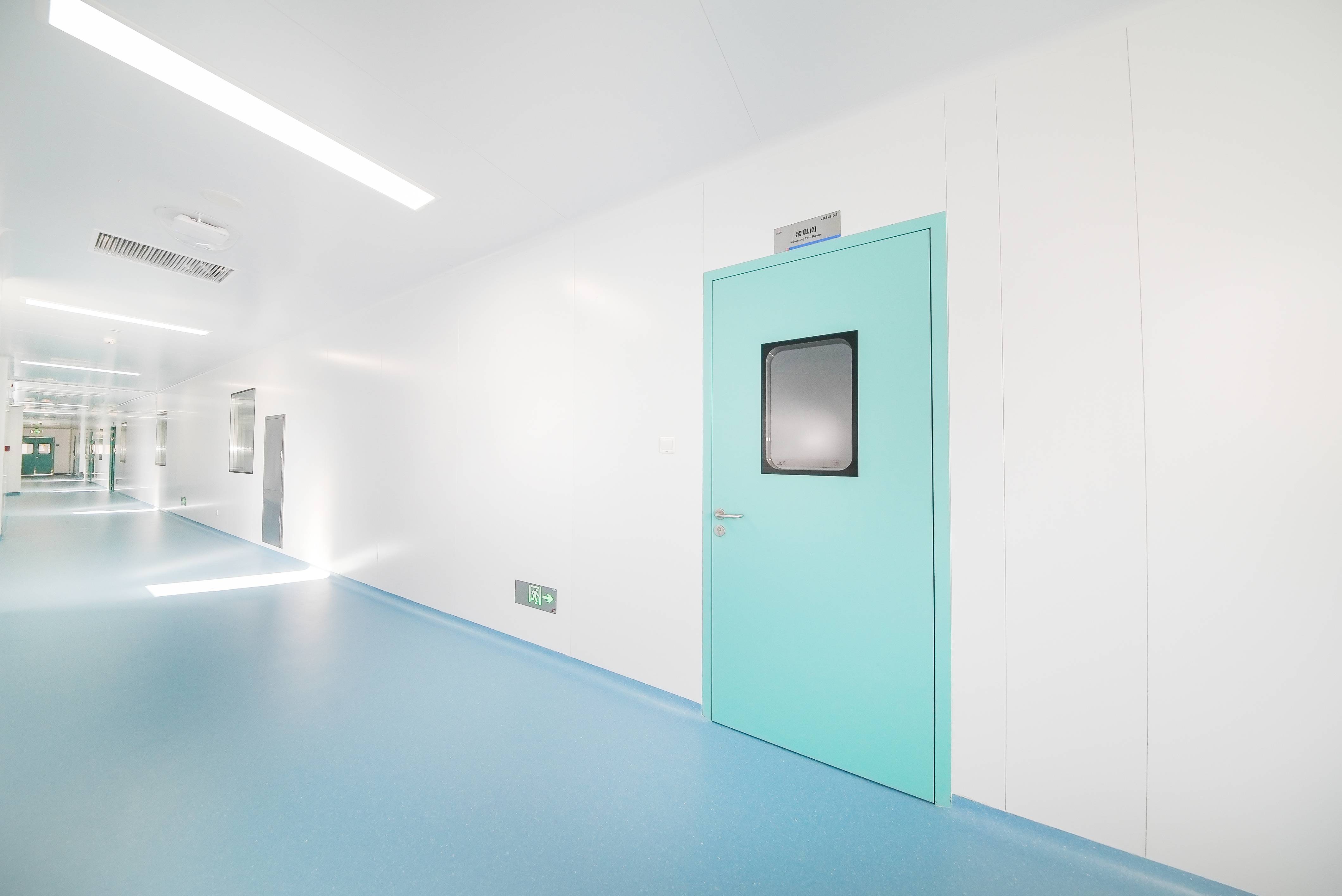
Planning and constructing an ISO 7 Clean Room demands careful attention to architectural layout and functional equipment. Modular systems, such as those developed by Wiskind Cleanroom, allow facilities to customize their configuration based on operational needs. Key design elements include partition structures, modular ceilings, and hygienic wall and floor materials that minimize particle accumulation. The use of sandwich clean room wall panels, for example, strengthens structural durability while reducing contamination points. Supplementary equipment like fan filter units (FFUs) and air showers further support cleanliness by filtering and decontaminating air and materials before entry. Industry case studies have shown that such design methods substantially improve both compliance levels and efficiency in facility operation.
Maintaining ISO 7 standards extends beyond design—it requires disciplined daily management. Regular cleaning, personnel training, and well-defined material handling procedures form the backbone of effective cleanroom operation. Wiskind Cleanroom offers extensive support services that help clients sustain ongoing compliance through guided maintenance programs. Clear Standard Operating Procedures (SOPs) for material transfers, including airlock usage and decontamination steps, greatly reduce contamination risks. Moreover, intelligent design software can assist in optimizing layouts and operational workflows for long-term efficiency. Continuous skill development and process refinement ensure that every cleanroom team maintains superior control over its environment and performance.
ISO 7 Clean Rooms differ markedly from ISO 5 or ISO 6 cleanrooms, where particle limits and filtration requirements become far more stringent. Recognizing these distinctions helps organizations choose appropriate classification levels for their processes. While ISO 5 may be essential for sterile pharmaceutical manufacturing, ISO 7 is often suitable for intermediate assembly stages or non-sterile production zones. Making data-driven decisions about classification enables better resource utilization and cost efficiency without compromising quality. By understanding the relative strictness of each ISO level, companies can align their cleanroom investment with risk levels and production goals.
Cleanroom Classification | Maximum Allowable Particles (≥0.5 µm per m³) | Typical Applications | Filtration and Control Level | Key Characteristics |
ISO 5 | 3,520 | Sterile pharmaceutical production, semiconductor manufacturing | Very high-efficiency filtration (HEPA/ULPA), ultra-clean laminar airflow | Extremely strict particle control, ideal for critical contamination-sensitive operations |
ISO 6 | 35,200 | Medical device assembly, precision optics | High-efficiency filtration with controlled laminar or turbulent flow | Strong contamination control suitable for semi-critical processes |
ISO 7 | 352,000 | Intermediate pharmaceutical production, electronics assembly | Standard HEPA filtration with balanced airflow patterns | Moderate cleanliness level, ideal for non-sterile or mid-stage manufacturing |
In essence, grasping the guidelines behind ISO 7 Clean Rooms is indispensable to achieving regulatory compliance and production excellence. From design specifications to daily operation, every detail contributes to maintaining controlled, reliable conditions. Wiskind Cleanroom, with over four decades of experience, provides specialized systems and technical expertise to support cleanroom projects of every scale. Through tailored solutions and meticulous craftsmanship, Wiskind helps clients exceed industry standards and sustain long-term operational success. To discover how our advanced technologies can enhance your cleanroom performance, connect with Wiskind today and experience the next level of precision in contamination control.

Wiskind Cleanroom specializes in cleanroom enclosure system , ceiling system, cleanroom doors and windows and related product development, manufacturing, sales, consulting and services.

 Chinese
 English
 Russian
 French
 Spanish
 Portuguese
 Arabic
 Korean
 German
 Japanese
 Thai
Thai Hindi
Hindi