

We have a passion for unconventional solutions that bring your vision to life.
A negative pressure cleanroom environment is a controlled room or facility where the air pressure inside the space is kept lower than the pressure outside it. If you are new to cleanroom design, Wiskind's guide to what a cleanroom is is a useful starting point before looking at pressure control in more detail.
The purpose of this pressure difference is simple: when a door opens, air moves into the room instead of flowing out into nearby corridors or adjacent rooms. That inward airflow helps keep potentially contaminated air, particles, aerosols, odors, or hazardous materials inside the controlled space until the air can be exhausted or filtered safely.
In other words, a negative pressure cleanroom is built for containment. It is commonly used when the process, patient, product, sample, or material inside the room may create a risk for the people and spaces around it.
A negative pressure cleanroom works by controlling the balance between supplied air and exhausted air. The room still receives clean, filtered air, but the exhaust system removes more air than the supply system delivers. Because more air is pulled out than pushed in, the room pressure becomes lower than the pressure in the surrounding area.
The airflow path usually depends on the room layout, wall system, ceiling design, return-air location, and filtration plan. In a cleanroom project, this may involve a coordinated air return system, FFU ceiling systems, and a dedicated exhaust strategy.
The basic principle is: adjacent area to negative pressure cleanroom to exhaust system to filtration or safe discharge. For higher-risk applications, the exhaust air may need HEPA filtration or a dedicated exhaust route before it is released outdoors.
Negative pressure is used when the biggest contamination risk comes from inside the room. A positive pressure cleanroom pushes air outward to protect the product or process. A negative pressure cleanroom pulls air inward to protect the surrounding facility, nearby personnel, and adjacent clean areas.
This is why negative pressure is often selected for infection-control rooms, biological laboratories, hazardous drug areas, pharmaceutical containment, quarantine rooms, and process areas where dust, aerosols, or hazardous particles may be generated.
Cleanroom Type | Airflow Direction | Main Purpose | Common Applications |
Positive pressure | Air flows out of the room | Protect the product or process | Electronics, medical devices, sterile production |
Negative pressure | Air flows into the room | Protect people and surrounding areas | Isolation rooms, labs, hazardous drug handling, quarantine |
Pressure cascade | Air moves between controlled zones | Control risk step by step | Pharma, biotech, healthcare, and containment suites |
For ISO-classified spaces, pressure design should also be considered together with the required cleanliness level. See Wiskind's cleanroom classification guide for background on cleanroom classes and application requirements.
Hospitals and healthcare facilities use negative pressure environments to help control airborne infection risk. For projects involving hospitals, operating support areas, or infection-control spaces, Wiskind's healthcare cleanroom solutions are a relevant internal resource to connect readers with commercial project support.
In pharmaceutical or biopharmaceutical production, negative pressure may be required when handling potent compounds, powders, active ingredients, biological materials, or processes that need containment. Link this section to Wiskind's bio-pharmaceutical cleanrooms page because the reader may already be considering a GMP or controlled manufacturing project.
Research laboratories, diagnostic labs, and biosafety areas may use negative pressure to contain biological agents, aerosols, or hazardous materials. In these rooms, pressure control must work together with filtration, room sealing, transfer procedures, and monitoring.
Negative pressure can also be used in waste rooms, decontamination spaces, material transfer zones, and other support areas. Depending on the process, the design may also include cleanroom equipment such as pass boxes, transfer devices, or air showers.
Pressure control starts with the room envelope. Walls, ceilings, doors, windows, and penetrations must be designed to limit uncontrolled leakage. Airtight cleanroom sandwich wall panels are important because even a well-designed HVAC system cannot maintain stable pressure if the enclosure leaks too much.
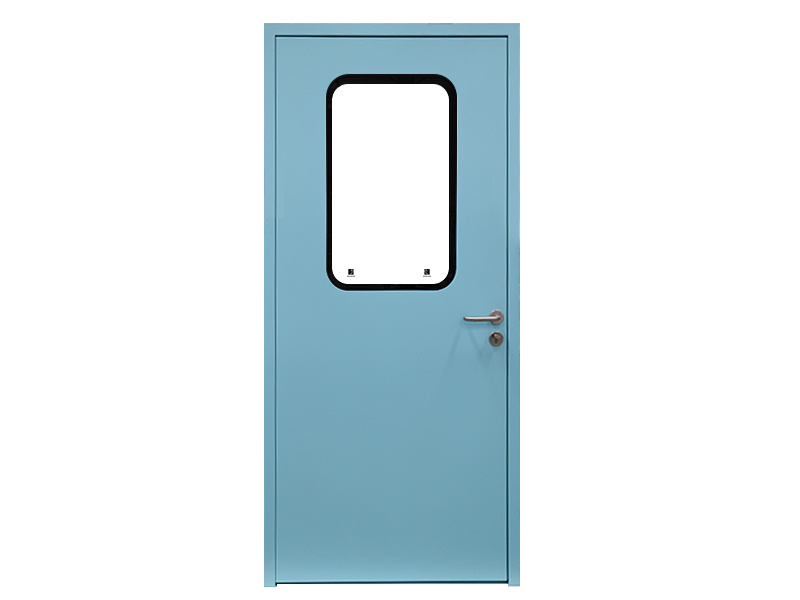
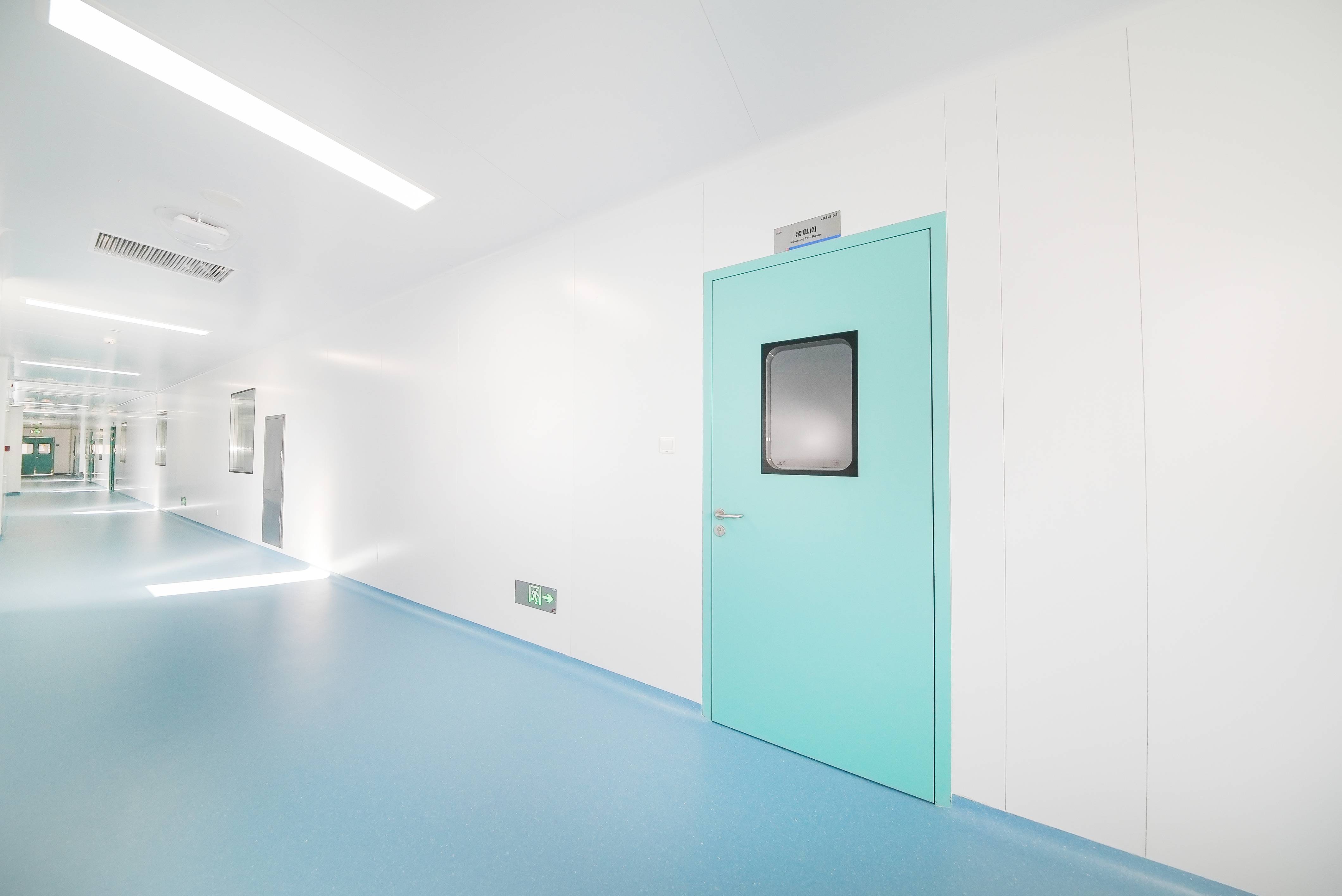
Doors are one of the most common weak points in a pressure-controlled room. For healthcare or medical environments, a properly selected medical cleanroom door can help support hygiene, sealing, cleanability, and pressure stability.
A negative pressure cleanroom needs enough clean supply air to support the required cleanliness level, while the exhaust system removes enough air to keep the room under negative pressure. The design must avoid short-circuiting, dead zones, and poor airflow paths.
For clean air supply and ceiling integration, connect readers to Wiskind's FFU ceiling systems when discussing HEPA filtration and cleanroom airflow distribution.
Critical rooms should not rely only on occasional smoke tests or visual checks. Continuous pressure monitoring, commissioning, and cleanroom validation help confirm that the room performs as intended after installation and during operation.
Negative pressure is not a single product; it is the result of coordinated cleanroom architecture, HVAC, filtration, doors, controls, and operating procedures. For readers planning a full facility, Wiskind's cleanroom EPC service is the strongest conversion-focused internal link.
· Poor door sealing or frequent door opening.
· Unbalanced supply and exhaust airflow.
· Incorrect exhaust fan sizing.
· Blocked or overloaded filters.
· No anteroom in higher-risk applications.
· Lack of continuous pressure monitoring.
· Room leakage through panels, ceilings, windows, utility penetrations, or poorly sealed joints.
· Poor coordination between HVAC design and cleanroom construction.
A negative pressure cleanroom is usually the right choice when the room needs to contain a hazard or contamination source. If your process may release infectious aerosols, hazardous powders, potent compounds, chemical vapors, odors, or contaminated particles, negative pressure may be required.
The right design depends on the industry, room classification, contamination risk, regulatory expectations, exhaust strategy, workflow, and operator safety requirements. Some projects need only a single negative pressure room. Others need a complete pressure cascade with anterooms, airlocks, transfer equipment, HEPA filtration, and validated pressure monitoring.
A negative pressure cleanroom environment is designed to keep potentially contaminated air from escaping into surrounding areas. It works by keeping the room pressure lower than nearby spaces, so air moves inward when doors open. For companies planning a negative pressure room, isolation environment, or controlled containment space, contact Wiskind Cleanroom to discuss enclosure systems, airflow design, construction, and validation requirements.
It is a controlled space where the air pressure inside the room is lower than the surrounding area, causing air to flow inward and helping contain airborne contamination.
The purpose is to prevent contaminated air, particles, aerosols, odors, or hazardous substances from escaping into nearby rooms or corridors.
Positive pressure protects the product or process inside the cleanroom. Negative pressure protects people and surrounding areas outside the room.
Many negative pressure cleanrooms use HEPA filtration, especially where airborne particles or biological contaminants must be controlled. The final filtration design depends on the application and risk level.
No, but an anteroom is often recommended for higher-risk rooms where extra containment, gowning control, or pressure stability is needed.
· What Is a Cleanroom? A Comprehensive Guide to Cleanroom Design and Construction
· Healthcare Cleanroom Solutions
· Bio-Pharmaceutical Cleanrooms
1. News-Medical: What are Negative Pressure Rooms?
2. CDC: Airborne Precautions and Airborne Infection Isolation Room guidance
3. CDC: Environmental Infection Control - Air
4. ASHRAE: Healthcare Ventilation Resources

Wiskind Cleanroom specializes in cleanroom enclosure system , ceiling system, cleanroom doors and windows and related product development, manufacturing, sales, consulting and services.

 Chinese
 English
 Russian
 French
 Spanish
 Portuguese
 Arabic
 Korean
 German
 Japanese
 Thai
Thai Hindi
Hindi